Outdoor verdict
Dwarf palmetto lives outside where winter stays above about 0F (USDA 7a+). If your winter drops below that, skip it. Do not wrap a tropical and hope.
The trunkless native fan of the Southeast. USDA 7a to 11, a real palm for yards that still freeze, and not a cabbage palmetto on a stick.
Cold hardiness
Survives about 0°F / -18°C. Outdoor range USDA 7a–11a. Hover or click a zone, state, or country. Click a state to open palms that grow there.
Highlighted USDA zones 7a–11a. Green countries can be grown outdoors.
United States
In range Too cold
World
Native Can be grown
Alaska and Hawaii are state outlines with their overall zone range. A country is painted if its mildest inhabited winter is at least one USDA step milder than this palm’s hardiness.
What it is confused with
Nurseries often mix this up with Needle palm (Rhapidophyllum hystrix). Check the Latin on the tag.
Winter care
Drainage matters more than a blanket. Soil: Any well-drained soil. Water: Moist but never waterlogged (mesic). A young plant sees more damage than an old one. Wrap only when a night near the kill number is coming.
Scientific facts
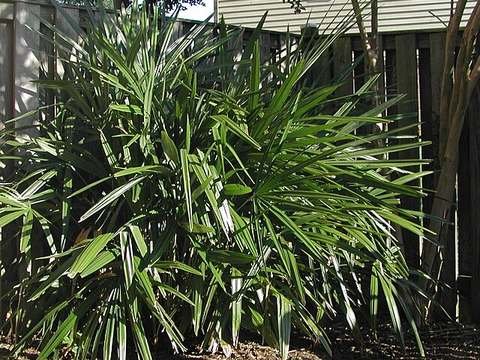
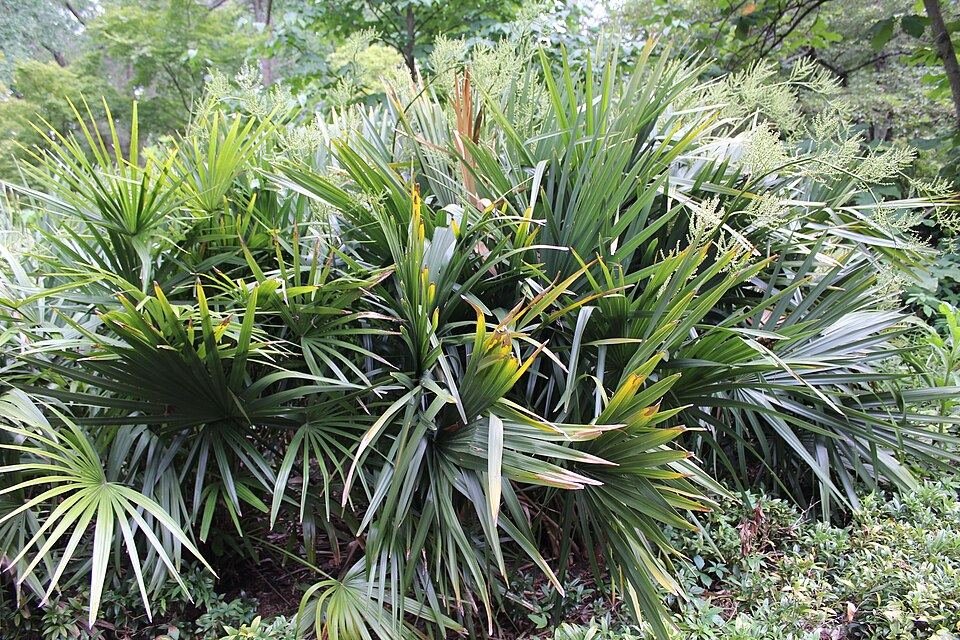
- Usually subterranean trunk. You see a crown of costapalmate fans at ground level.
- Hardier than cabbage palmetto. Zone 7 plantings exist with snow on the fans.
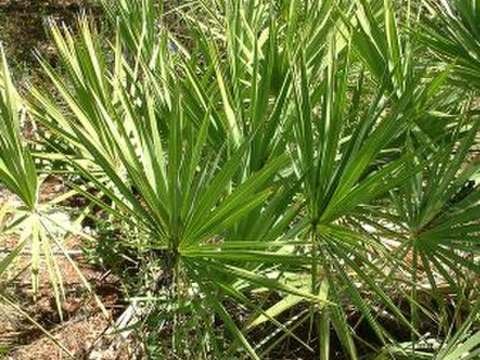
- Scrub palmetto is often Sabal etonia in Florida, a different species.
Region of origin
Southeastern and south-central United States
Native countries
Historical discovery
Nikolaus Jacquin published Corypha minor. Christiaan Persoon made the Sabal combination in 1805. It is one of the hardiest native palms in the United States.
Names
Common names
Dwarf palmetto, Bush palmetto, Scrub palmetto (misapplied)
Synonyms
- Corypha minor Jacq.
Full care guide
Dwarf palmetto is the low, mostly trunkless native fan of the southeastern and south-central United States. USDA 7a to 11. If cabbage palmetto is too tree-like or too tender for your winter, this is the palmetto that still belongs in the yard.
Growth Rate:
Slow.
Fruit and Flowering:
Black fruit. Wildlife eats it. Seedlings appear under perches.
Light Requirements:
Sun to part shade. In hot inland sites, a little afternoon shade keeps it prettier.
Water Requirements:
Regular water to establish. Native sites are often moist. Drought-tough once in, still looks better with summer water in sand.
Maintenance Level:
Low. Leave the old fans unless they bother you. Feed in the growing season with palm-specific fertilizer in sand. Do not plant it where you wanted a trunked street palm.
Common Diseases/Pests:
Scale and occasional leaf disease in still, wet shade. Cold is usually cosmetic on established plants.
Plant Care:
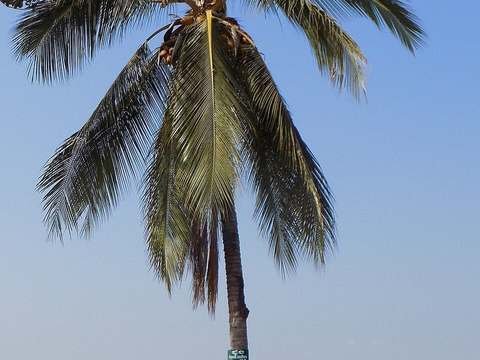
Plant in sun or light shade with room to clump. Water the first year. Use this when you want a native hardy fan, not a coconut in a climate that still snows.
Dwarf palmetto Frequently Asked Questions:
If you garden in the Southeast or a cold-edge yard and still want a real palm, dwarf palmetto is the native clump to learn. Leave the coconuts for the tropics.
Dwarf palmetto questions
Will Dwarf palmetto live outside?
Yes, if winter stays above about 0F (USDA 7a+). Below that number it belongs in a pot.
What do nurseries mislabel Dwarf palmetto as?
People tag it as Needle palm. That plant is Rhapidophyllum hystrix. Check the Latin.
Pot or ground for Dwarf palmetto in a cold state?
Ground where winter stays above about 0F. A pot does not make a cold-tender palm hardy. Skip it if the number fails.
Dwarf palmetto or cabbage palmetto?
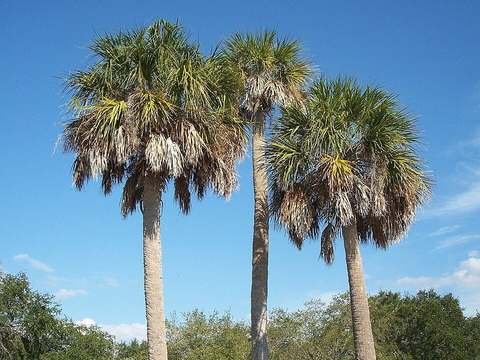
Dwarf palmetto stays low, usually without a tall trunk. Cabbage palmetto (Sabal palmetto) is the state-tree street palm.
Will it get a trunk?
Usually not much of one above ground. A few old plants show a short trunk. Do not buy it expecting a tree.
Is it the same as saw palmetto?
No. Saw palmetto is Serenoa repens, with armed petioles and a different habit.
Related palms
The mix-up, the substitute, then nearby hardiness.