
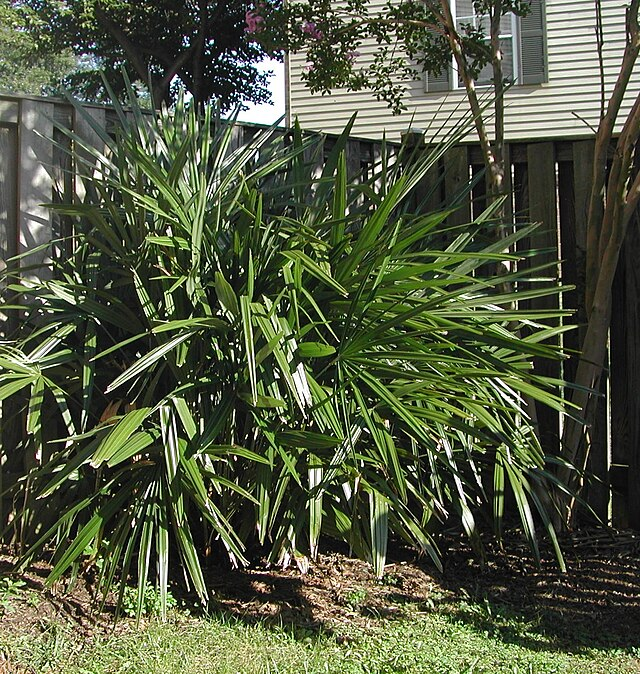
Needle palm overview
North America’s hardiest palm: a trunkless, spiny, dark-green clump from southern river bottoms. The one to try in zone 7 (and sometimes colder with protection).
Region of origin
Southeastern United States
Native countries
Historical discovery
Described from southeastern US material in the 18th–19th centuries; Wendland and Drude placed it in its own genus Rhapidophyllum in 1876. Hystrix means porcupine, for the trunk spines.
Names
Common names
Needle palm, Porcupine palm
Synonyms
- Chamaerops hystrix Fraser ex Thouin
Cold hardiness
Survives about 0°F / -18°C. Outdoor range USDA 7a–10b. Hover or click a zone, state, or country. Switch the U.S. map between states and hardiness zones.
Highlighted USDA zones 7a–10b. Green countries can be grown outdoors.
United States
In range Too cold
World
Native Can be grown
Alaska and Hawaii are state outlines with their overall zone range. A country is painted if its mildest inhabited winter is at least one USDA step milder than this palm’s hardiness.
Scientific facts
- The only Rhapidophyllum.
- Needles on the stem are real. Gloves on, always.
- Prefers moist, acidic shade, the opposite of a beach coconut.
Get this palm
Other helpful resources
Full care guide
If you’re looking for a classic palm look for a colder climate, the Needle Palm is an excellent choice. Known for its remarkable cold hardiness and lush foliage, the Needle Palm (Rhapidophyllum hystrix) is not just a garden favorite but a survivor in cold climates.
Get a Needle Palm Plant Delivered Directly to Your Door:
Common names: Needle Palm, Porcupine Palm
Scientific name: Rhapidophyllum hystrix
Native Habitat: Native to the Southeastern United States.
Unique Traits: Distinguished by dense, bushy appearance and needle-like spines. Perfect for shady spots in the garden. Grows relatively low to the ground.
Fruit: The Needle Palm produces small, inconspicuous fruits that aren’t typically eaten.
Growth and Physical Characteristics
Growth Rate: Slow growing, often less than 1 foot per year.
Maximum Height: 10 feet tall in landscape settings. Up to 20 feet in ideal native habitat.
Foliage Spread: Fronds can reach 2-3 feet long. Space plants at least 3-5 feet apart.
Temperature Range & USDA Hardiness Zones:
Temperature range: Cold hardy to around 0 degrees Fahrenheit. Prefers hot and humid summer weather.
USDA Hardiness Zones: Best performance in zones 7-10. Can be grown as a container plant in colder zones.
Soil Type
Soil requirements: Moist, acidic, organically rich soil. Does not tolerate salty or compacted soil well.
Potting Mix Recommendation: Well draining Cactus and palm soil mix.
Fertilizer: Balanced palm specific fertilizer applied 2-3 times during the growing season.
Comprehensive Care Guide for Needle Palms
Ideal Lighting Conditions
Light Requirements: Grows best in medium to bright indirect light.
Placement Tips: Nice as an understory plant or shrub border. Filters sunlight well.
Watering Schedule and Techniques
Water Needs: Keep soil consistently moist but not waterlogged. Drought tolerant once established.
Drainage Importance: Requires reasonable drainage to prevent root rot.
Common Pests and Diseases
Common Pests: Scale insects, mealybugs.
Solution: If your palm is suffering from pests consider applying a spray on pesticidal horticulture oil.
No common disease issues.
Propagating New Needle Palms
From a seed
Collect fresh seeds and sow in a loose, organically rich soil mix. Maintain warm and evenly moist.
By Division
Carefully divide congested mature plants, ensuring each division has some root mass and foliage. Replant divisions keeping warm and moist. Apply palm fertilizer once new fronds emerge.
Needle Palm FAQs
1. Are needle palms true palms?
Yes, needle palms are in the Arecaceae family.
2. Are the palm fronds sharp?
Yes, to deter herbivory when young palm fronds are sharp. Fronds soften with age.
Conclusion
The Needle Palm brings a touch of the tropics to even the coldest climates. With its unique appearance and low maintenance requirements, it’s a perfect choice for both new and experienced gardeners. Whether planted as a standalone feature or as part of a larger garden design, the Needle Palm is sure to impress.