
Teddy bear palm cold hardiness
Chrysalidocarpus leptocheilos (Hodel) Eiserhardt & W.J.Baker
Teddy bear palm overview
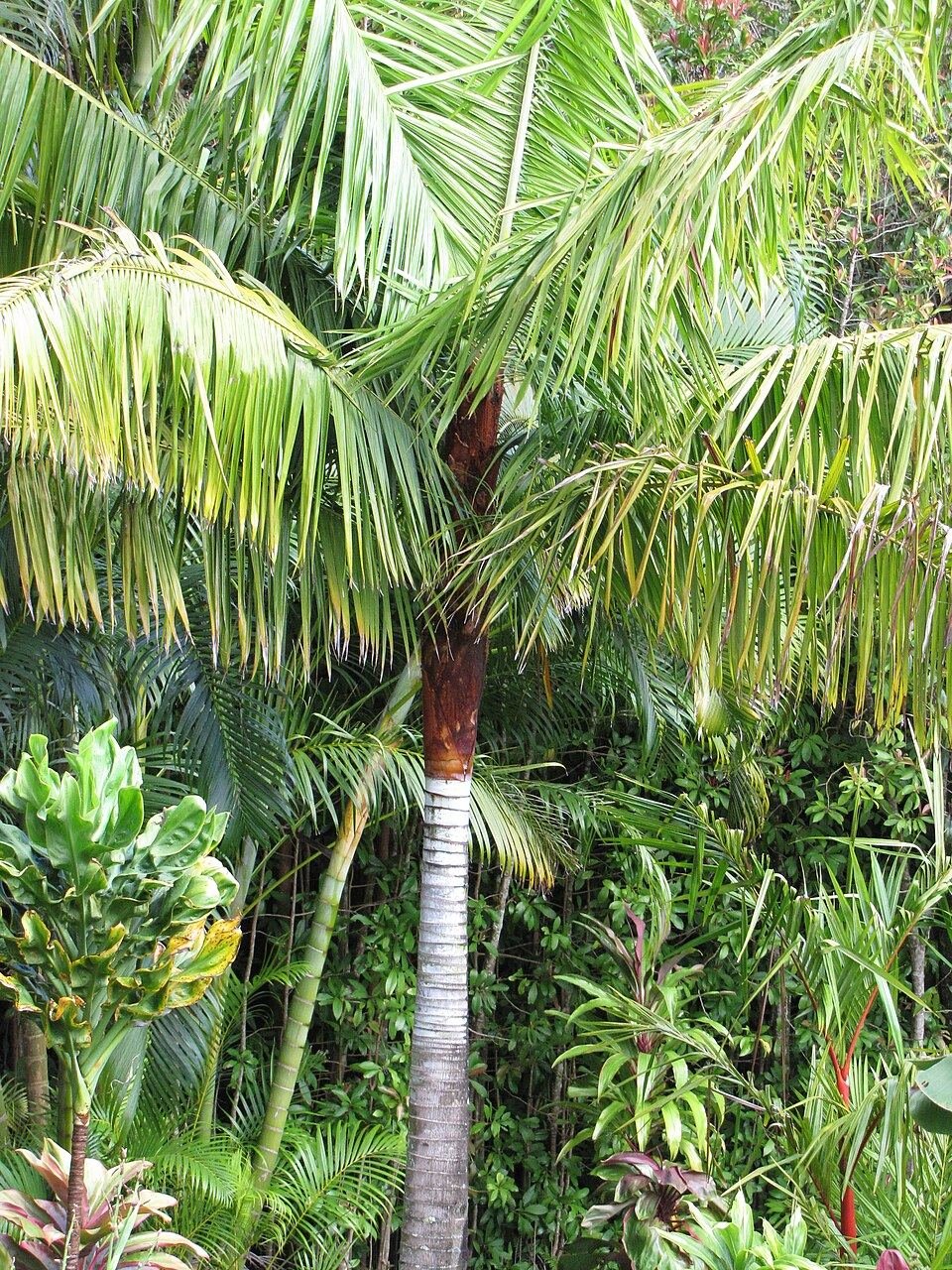
The fuzzy red-crownshaft Madagascar palm. USDA 10a to 12. Kew's accepted name is Chrysalidocarpus leptocheilos. Tags still use Dypsis leptocheilos.
Region of origin
Northern and northwestern Madagascar
Native countries
Historical discovery
Donald Hodel described it as Neodypsis leptocheilos in 1993. Kew now accepts Chrysalidocarpus leptocheilos. Nurseries still say Dypsis. The fuzzy red-brown crownshaft is the teddy bear.
Names
Common names
Teddy bear palm, Redneck palm
Synonyms
- Dypsis leptocheilos (Hodel) Beentje & J.Dransf.
- Neodypsis leptocheilos Hodel
Cold hardiness
Survives about 28°F / -2°C. Outdoor range USDA 10a–12a. Hover or click a zone, state, or country. Switch the U.S. map between states and hardiness zones.
Highlighted USDA zones 10a–12a. Green countries can be grown outdoors.
United States
In range Too cold
World
Native Can be grown
Alaska and Hawaii are state outlines with their overall zone range. A country is painted if its mildest inhabited winter is at least one USDA step milder than this palm’s hardiness.
Scientific facts
- The crownshaft is rusty and fuzzy. That is the teddy bear.
- Same genus move as areca: Dypsis to Chrysalidocarpus on Kew.
- Frost-free, water, fertilizer. Dry neglect looks poor.
Get this palm
Other helpful resources
Full care guide
The teddy bear palm is the Madagascar feather palm with a rusty, fuzzy crownshaft. USDA 10a to 12. Kew's accepted name is Chrysalidocarpus leptocheilos. Labels still say Dypsis leptocheilos. It wants heat and water, not a desert.
Common Names:
Teddy bear palm, redneck palm.
Scientific Name:
Chrysalidocarpus leptocheilos (Hodel) Eiserhardt & W.J.Baker. Dypsis leptocheilos is the garden synonym.
Origin:
Northern and northwestern Madagascar.
Appearance:
A solitary feather palm with a ringed trunk and a reddish-brown, hairy crownshaft. The crown is full and arching. It does not look like a lady palm or a fan.
Growth Rate:
Moderate to fast in heat with water.
Max Growth Height:
Often 20 to 35 feet in gardens.
Foliage Spread:
About 10 to 15 feet.
Cold Hardiness and Hardiness Zone:
USDA 10a to 12. Damage around 28°F (-2°C). Not a zone 9 landscape bet.
Soil Type:
Rich, moist, well-drained. Sand needs irrigation and fertilizer.
Fruit and Flowering:
Small fruit on mature plants.
Can it Grow Indoors:
Only when young.
Light Requirements:
Full sun to light shade. Young plants like a little protection from dry inland sun.
Water Requirements:
Even moisture. This is a Madagascar wet-forest palm in garden terms, not a Baja Brahea.
Maintenance Level:
Medium. Feed in the growing season with palm-specific fertilizer. Keep it watered in heat. The fuzzy crownshaft is the feature. Do not scrape it off.
Common Diseases/Pests:
Scale, mites in dry wind, nutrient yellowing in sand.
Plant Care:
Heat, water, fertilizer, frost-free. If you cannot keep an areca or king palm happy outdoors, you will not keep this one happy either.
Teddy bear palm Frequently Asked Questions:
1. Teddy bear or areca?
Areca is the yellow-stemmed clumping houseplant (C. lutescens). Teddy bear is a solitary tree with a rusty fuzzy crownshaft.
2. Why Chrysalidocarpus?
Kew moved several Madagascar Dypsis, including this one and areca, back to Chrysalidocarpus. Shops still say Dypsis.
3. Can I grow it in zone 9?
Not as a reliable outdoor tree.
4. Does the fuzz go away?
The crownshaft stays rusty and hairy. That is the plant. Older trunk below may clean up.
Plant teddy bear palm in frost-free heat if you want the rusty crownshaft. If the winter still dips, pick a different Madagascar story, or a hardy fan.