High plateau coconut palm cold hardiness
Beccariophoenix alfredii Rakotoarin., Ranariv. & J.Dransf.
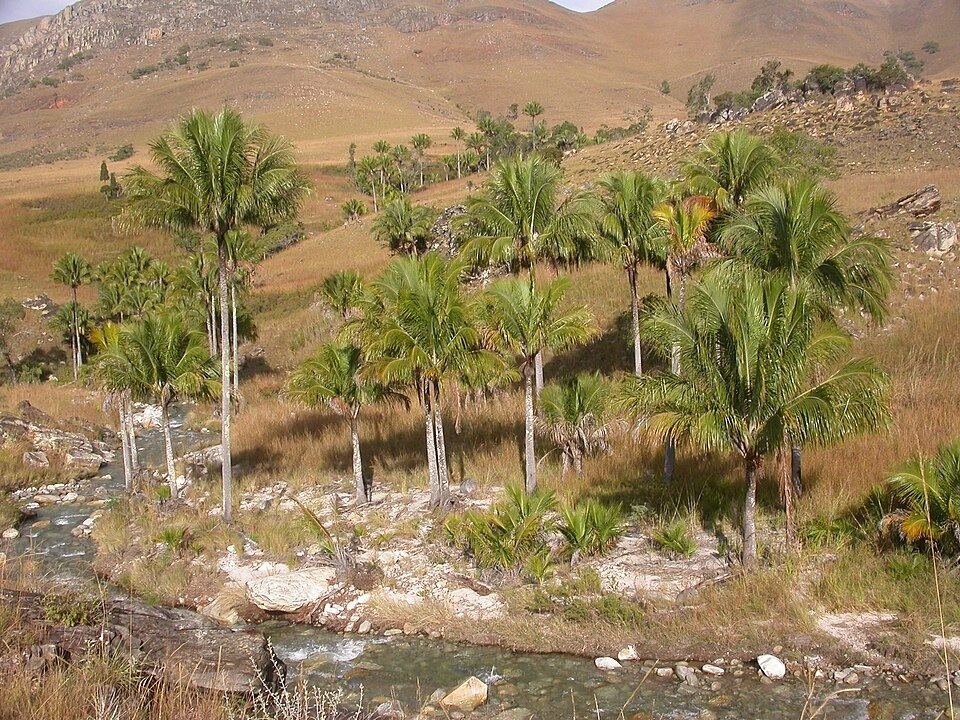
Outdoor verdict
High plateau coconut palm lives outside only in a mild winter, about 25F (USDA 9b+). A real freeze marks it. If your winter drops below that, skip it. Do not wrap a tropical and hope.
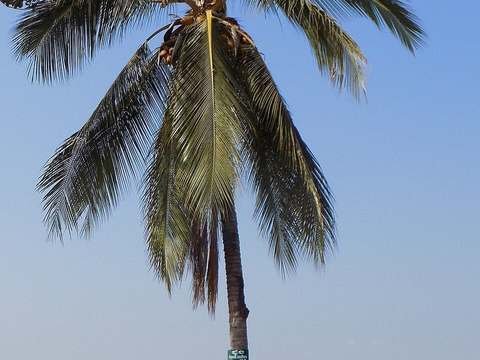
The coconut look from Madagascar's high plateau. USDA 9b to 11, a solitary feather palm, and not a true coconut.
Cold hardiness
Survives about 25°F / -4°C. Outdoor range USDA 9b–11a. Hover or click a zone, state, or country. Click a state to open palms that grow there.
Highlighted USDA zones 9b–11a. Green countries can be grown outdoors.
United States
In range Too cold
World
Native Can be grown
Alaska and Hawaii are state outlines with their overall zone range. A country is painted if its mildest inhabited winter is at least one USDA step milder than this palm’s hardiness.
Winter care
Drainage matters more than a blanket. Soil: Any well-drained soil. Water: Moist but never waterlogged (mesic). Wrapping does not buy an extra zone. If the winter is colder than the kill number, keep it in a pot.
Scientific facts
- It looks like a coconut on the street. The fruit is not a coconut, and Kew places it in Beccariophoenix, not Cocos.
- Wild plants grow along streams on Madagascar's central plateau, not on a tropical beach.
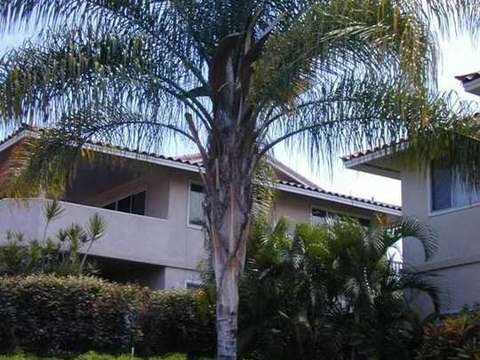
- Nurseries still mix it with window palm (Beccariophoenix fenestralis). True alfredii is the slimmer, highland one.
Region of origin
Central highlands of Madagascar
Native countries
Historical discovery
Mijoro Rakotoarinivo, Tianjanahary Ranarivelo, and John Dransfield published Beccariophoenix alfredii in 2007. Garden plants had been circulating as a highland form of window palm.
Names
Common names
High plateau coconut palm, Hardy coconut palm, High mountain coconut
Synonyms
- None widely used
Full care guide
The high plateau coconut palm is the Madagascar highland tree people buy when they want a coconut look north of coconut country. It is Beccariophoenix alfredii, described in 2007. USDA 9b to 11. It is not Cocos nucifera, and it is not a zone 8 palm.
Growth Rate:
Moderate to fast in heat with water. Slower in a cool, dry winter.
Fruit and Flowering:
Inflorescences and small fruit. Birds may bother them. You will not harvest drinking coconuts.
Light Requirements:
Full sun once established. Young plants like a little filtered light until they harden.
Water Requirements:
Even moisture, especially the first years. Dry wind plus dry soil browns the crown.
Maintenance Level:
Medium. Feed in the growing season with palm-specific fertilizer. Keep grass off the trunk. Confirm the Latin name before you pay coconut-look prices.
Common Diseases/Pests:
Scale, nutrient yellowing in sand, and cold damage that looks like a coconut freeze. Lethal yellowing and other coconut diseases are still a question in Florida. Buy clean stock.
Plant Care:
Heat, water, sun, drainage. Use it where a coconut browns out but a queen palm still lives. If your winter kills a queen, this is the wrong coconut substitute.
High plateau coconut palm Frequently Asked Questions:
Plant high plateau coconut palm where you wanted a coconut and your winter is only a little too cold for one. If the freeze still kills a queen palm, buy a different silhouette.
High plateau coconut palm questions
Will High plateau coconut palm live outside?
Yes, if winter stays above about 25F (USDA 9b+). Below that number it belongs in a pot.
What do nurseries mislabel High plateau coconut palm as?
Common names wander. The accepted name is Beccariophoenix alfredii. Read the Latin on the tag before you buy.
Pot or ground for High plateau coconut palm in a cold state?
Ground where winter stays above about 25F. A pot does not make a cold-tender palm hardy. Skip it if the number fails.
Is high plateau coconut a real coconut?
No. It is Beccariophoenix alfredii. The look is coconut. The fruit, the genus, and the winter it will take are not.
How hardy is it compared with coconut?
Coconut is USDA 10b to 12 and burns near 35°F. High plateau coconut is a 9b landscape palm, with mature plants reported near 25°F for a short night. That is still not windmill or needle palm country.
Why does my tag say window palm?
Beccariophoenix fenestralis is the thicker window palm, often sold in the same bin. True alfredii is the slimmer highland species published in 2007. Ask for the Latin name.
Related palms
The mix-up, the substitute, then nearby hardiness.