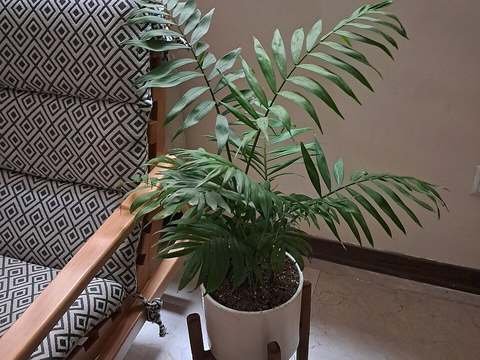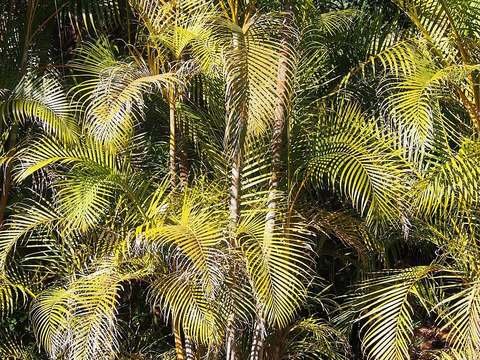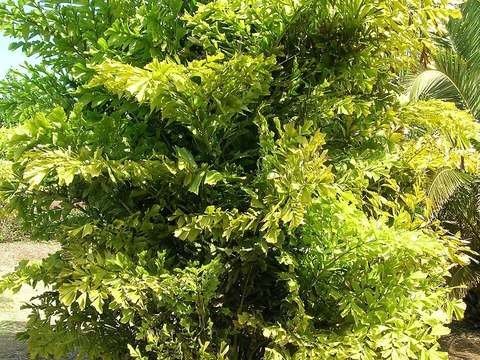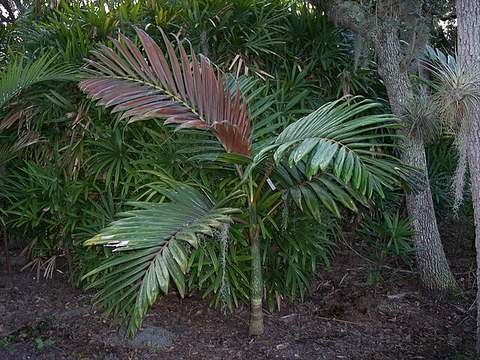
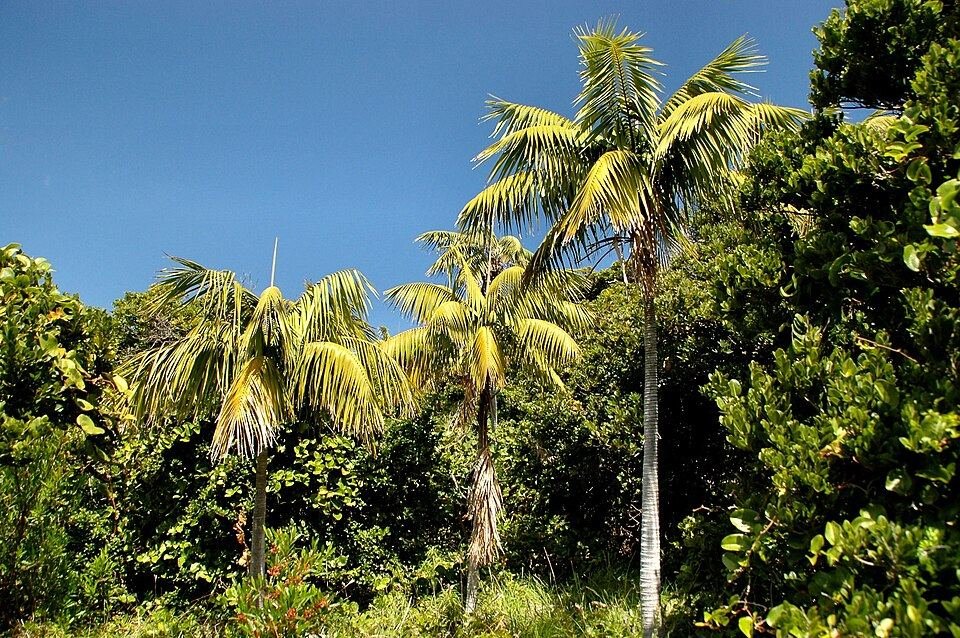
Outdoor verdict
Kentia palm lives outside only in a mild winter, about 28F (USDA 9b+). A real freeze marks it. It can sit in a bright room if your winter is colder than that.
The slow, elegant indoor palm from Lord Howe Island. USDA 9b to 11 outdoors, the standard hotel-lobby palm everywhere colder.
Cold hardiness
Survives about 28°F / -2°C. Outdoor range USDA 9b–11b. Hover or click a zone, state, or country. Click a state to open palms that grow there.
Highlighted USDA zones 9b–11b. Green countries can be grown outdoors.
United States
In range Too cold
World
Native Can be grown
Alaska and Hawaii are state outlines with their overall zone range. A country is painted if its mildest inhabited winter is at least one USDA step milder than this palm’s hardiness.
Winter care
Drainage matters more than a blanket. Soil: Rich, moist, well-drained. Water: Moist but never waterlogged (mesic). Wrapping does not buy an extra zone. If the winter is colder than the kill number, keep it in a pot.
Scientific facts
- It tolerates lower light than areca, which is why hotels still buy it.
- Growth is slow. That is the point indoors. You are not fighting a ceiling every year.
- Howea belmoreana is the curly kentia, a related Lord Howe species with more upright, arching leaflets.
Region of origin
Lord Howe Island
Native countries
Historical discovery
Ferdinand von Mueller named it Kentia forsteriana. Beccari moved it to Howea in 1877. Wild plants are confined to Lord Howe Island.
Names
Common names
Kentia palm, Paradise palm, Thatch palm
Synonyms
- Kentia forsteriana F.Muell.
Full care guide
The kentia palm is the slow, elegant feather palm from Lord Howe Island and the default lobby plant for a reason. It takes lower light than an areca, grows slowly, and looks finished instead of frantic. Outdoors it wants USDA 9b to 11. Everywhere else, it is a pot plant.
Growth Rate:
Slow. One of the virtues indoors. Outdoors in frost-free gardens it still takes years to look like a tree.
Fruit and Flowering:
Dull red fruit on mature plants. Indoor specimens rarely fruit.
Light Requirements:
Bright indirect. It takes lower light than areca, not a windowless hallway. Outdoors: filtered sun to bright shade. Harsh inland afternoon sun can scorch.
Water Requirements:
Even moisture. Let the top inch dry slightly. Dry root balls and then a flood is how you get brown leaflets.
Maintenance Level:
Low. Dust the fronds. Feed in the growing season with palm-specific fertilizer lightly. Do not overpot. Kentia likes to be a little snug.
Common Diseases/Pests:
Spider mites in dry rooms, scale, and mealybugs. Check new store plants before they share a room with the rest of the collection.
Plant Care:
Bright room, even water, no freeze. Outdoors, plant in filtered light in a frost-free garden. Indoors, pay for a good plant once instead of replacing cheap arecas every year if low light is your problem.
Kentia palm Frequently Asked Questions:
If you want an indoor palm that still looks like a tree in five years, kentia is the slow, correct answer. If you want cheap and fast, that is areca, and it will want more light.
Kentia palm questions
Will Kentia palm live outside?
Yes, if winter stays above about 28F (USDA 9b+). Below that number it belongs in a pot.
What do nurseries mislabel Kentia palm as?
Common names wander. The accepted name is Howea forsteriana. Read the Latin on the tag before you buy.
Pot or ground for Kentia palm in a cold state?
Pot if your winter drops below about 28F. Ground only where that number holds.
Kentia or areca for a dim room?
Kentia. Areca wants more light. Parlor palm is the still-smaller low-light choice.
Why is kentia so expensive?
Slow growth and a limited native island. You are paying for years already spent in a nursery.
Is Howea belmoreana the same?
Related, same island, curlier leaflets. Care is similar. Forsteriana is the common kentia in shops.
Related palms
The mix-up, the substitute, then nearby hardiness.