
Growing palm trees in Alaska
Alaska is more than one palm climate, USDA 1a to 8b, about -60F on the cold end and 20F in Ketchikan. Fairbanks is a different winter, near -47F. Needle palm and windmill are the usual outdoor bets where a freeze still happens. Pick a city below to score each palm against that winter.
Alaska climate
Pick a city or a USDA zone. The palm list follows that winter.
Alaska covers USDA 1a to 8b. Highlighted zones are in the state.
United States
This state Click a state
Hardiness zones
Zones in Alaska
Palms for Alaska
Click a lane or a filter. Cards link to the species page when we have one.
Headings below are palms that clear the warmest-city winter. The rest are houseplants.
Nothing here lives in the ground through winter. Keep these in pots and bring them inside before the first freeze.
Nothing in this lane for that filter. Clear a chip or pick a warmer city.
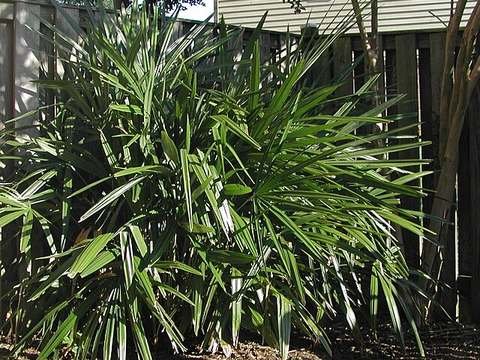
Needle palm
Rhapidophyllum hystrix
Hardy to about 0F · USDA 7a+
The sure thing in the Southeast. Trunkless, and fine if the crown drains.
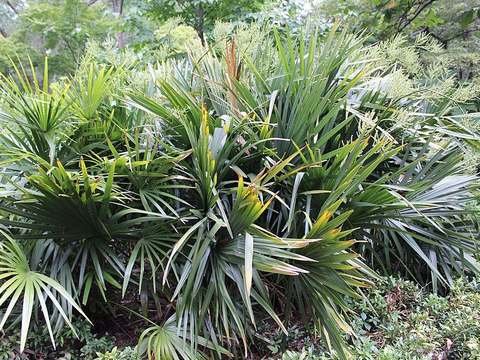
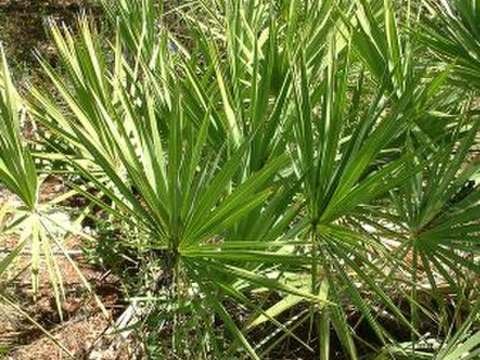
Dwarf palmetto
Sabal minor
Hardy to about 5F · USDA 7a+
Native wetland fan. Looks like a cabbage palmetto that never grew a trunk.
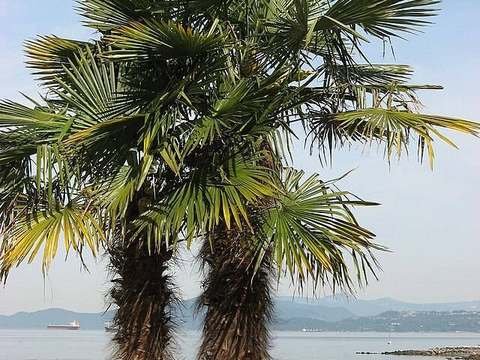
Windmill palm
Trachycarpus fortunei
Hardy to about 5F · USDA 7a+
The tall palm that actually works in cold states. Hairy trunk, not a Chinese fan palm.
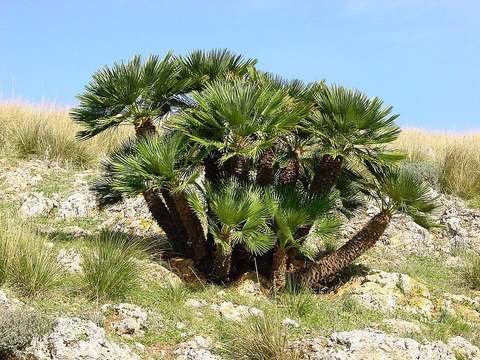
European fan palm
Chamaerops humilis
Hardy to about 12F · USDA 8a+
Clumping Mediterranean fan. Give it sun and drainage.
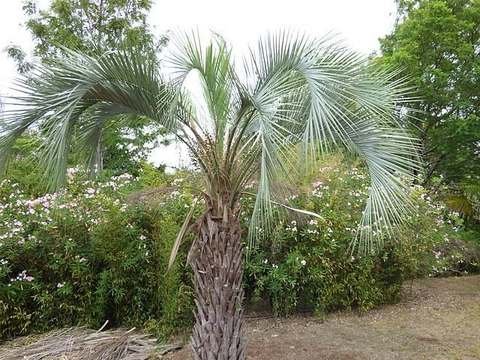
Pindo palm
Butia odorata
Hardy to about 15F · USDA 8a+
The cold-hardy feather palm people want when they buy a queen. Edible fruit.
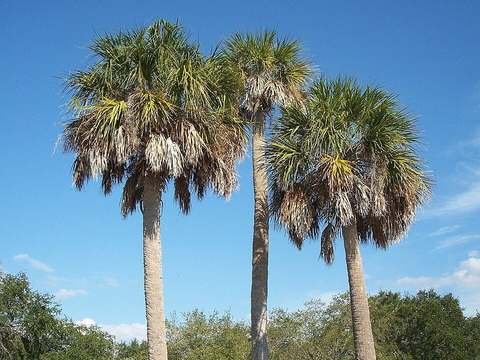
Cabbage palmetto
Sabal palmetto
Hardy to about 15F · USDA 8a+
Southeast coastal native. Ugly winters inland.
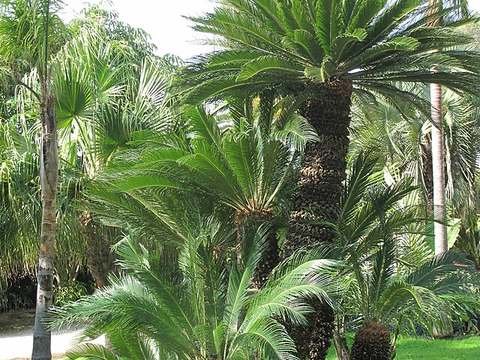
Sago palm
Cycas revoluta
Hardy to about 15F · USDA 8b+
A cycad, not a palm. Toxic to dogs. Wrap where winters freeze.
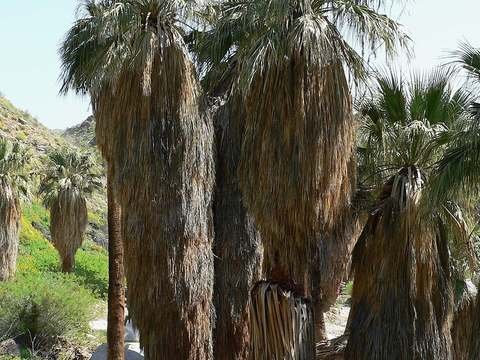
California fan palm
Washingtonia filifera
Hardy to about 18F · USDA 8b+
Tougher than Mexican fan. Still a warm-zone and courtyard plant.
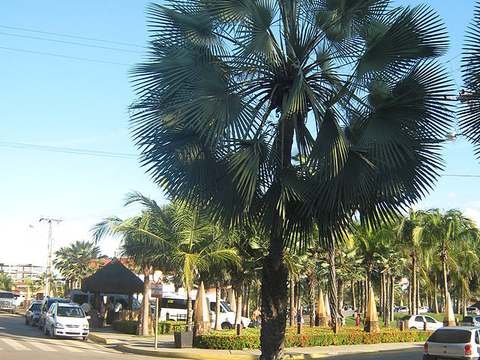
Caranday wax palm
Copernicia alba
Hardy to about 18F · USDA 8b+
Collector fan for heat. Not a box-store plant.
Houseplants only here
These do not take the winter low in the warmest part of Alaska. Keep them in pots.
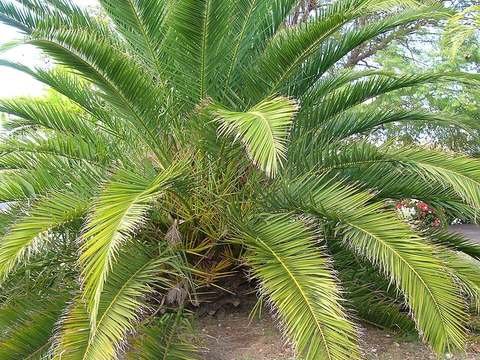
Phoenix canariensis
Hardy to about 20F · USDA 9a+
The big date look. A 20F night marks it.
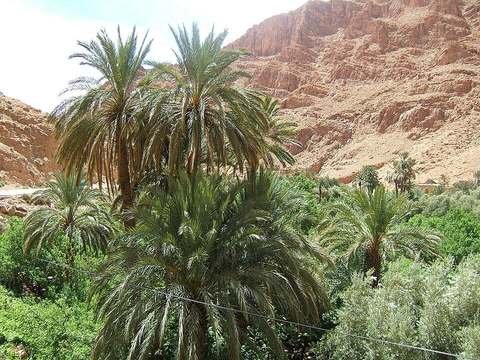
Phoenix dactylifera
Hardy to about 20F · USDA 9a+
Same cold story as Canary date. Fruit is a long shot in humidity.
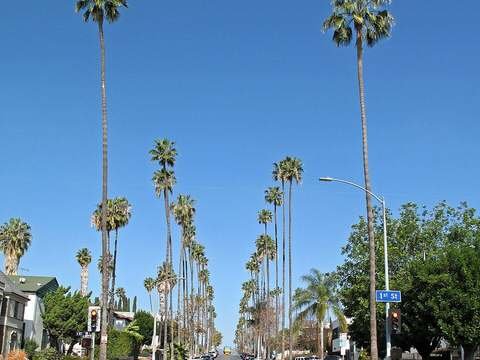
Washingtonia robusta
Hardy to about 23F · USDA 9a+
The skinny skyline palm. Fine until a hard freeze.
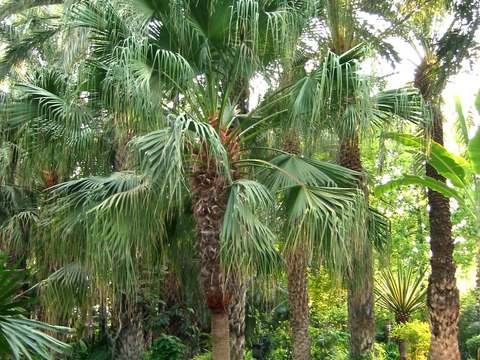
Livistona chinensis
Hardy to about 22F · USDA 9a+
Often confused with windmill. This one wants a mild winter. Check the Latin on the tag.
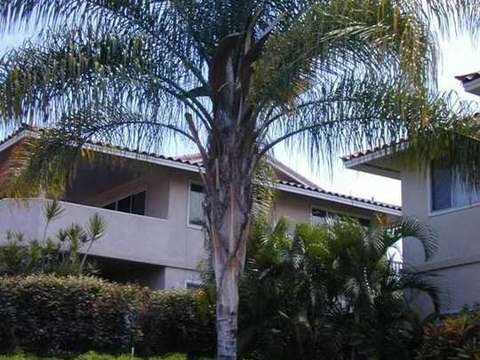
Syagrus romanzoffiana
Hardy to about 25F · USDA 9a+
Sold everywhere. Needs nights that stay near 25F. Buy pindo if you want this silhouette.
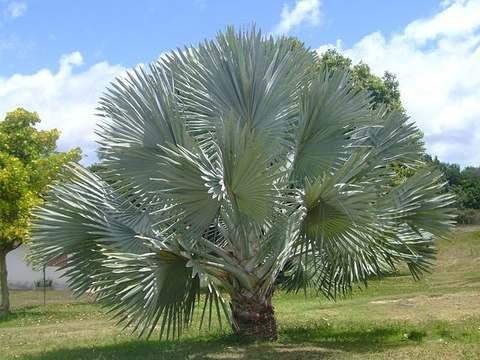
Bismarckia nobilis
Hardy to about 25F · USDA 9b+
Silver and huge. A showpiece that looks stupid after one freeze.
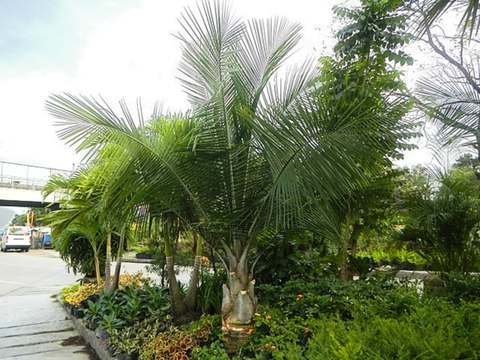
Ravenea rivularis
Hardy to about 22F · USDA 9b+
A houseplant that people plant outside and then replace. Keep it in a pot.
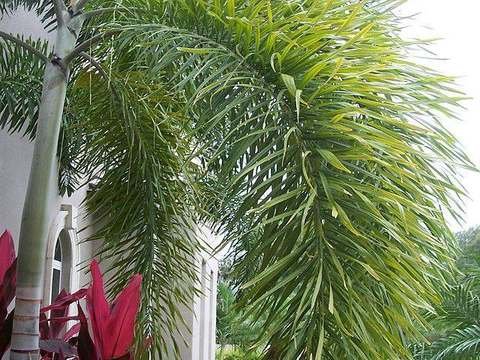
Wodyetia bifurcata
Hardy to about 27F · USDA 10a+
Florida look. Container only anywhere with a real winter.
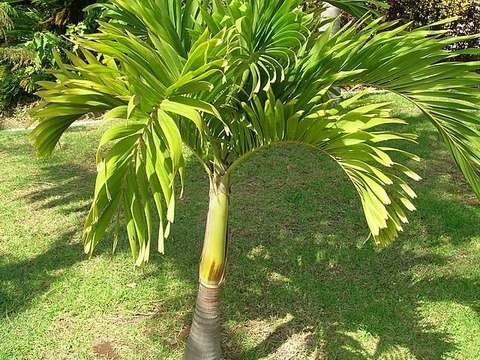
Adonidia merrillii
Hardy to about 30F · USDA 10a+
Pretty red fruit, no cold tolerance. A porch palm that comes inside.
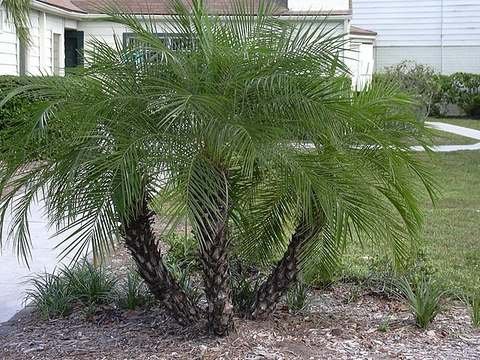
Phoenix roebelenii
Hardy to about 28F · USDA 10a+
Fine in a bright room. Not a landscape palm outside the true tropics.
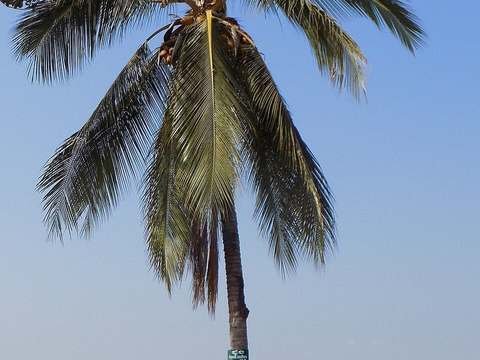
Cocos nucifera
Hardy to about 35F · USDA 10b+
The dream plant. Not an outdoor plant anywhere with frost.
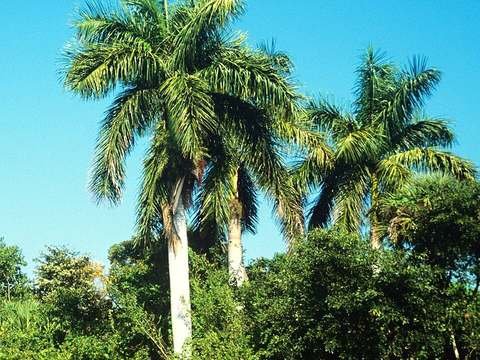
Roystonea regia
Hardy to about 28F · USDA 10a+
Miami cement trunk. Needs a frost-free climate.
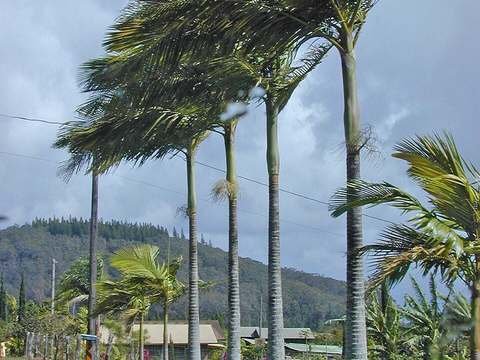
Archontophoenix alexandrae
Hardy to about 28F · USDA 10a+
Another tropical street palm. Keep it as a young indoor plant or skip it.
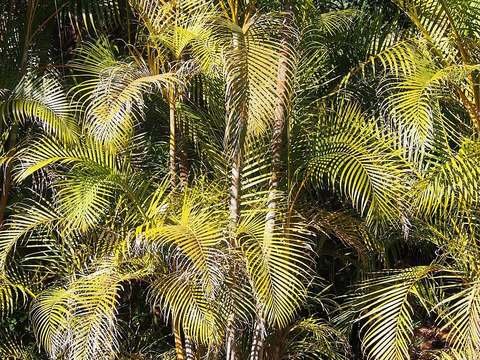
Chrysalidocarpus lutescens
Hardy to about 30F · USDA 10a+
The grocery-store palm. Bright room, no draft, no backyard in freeze country.
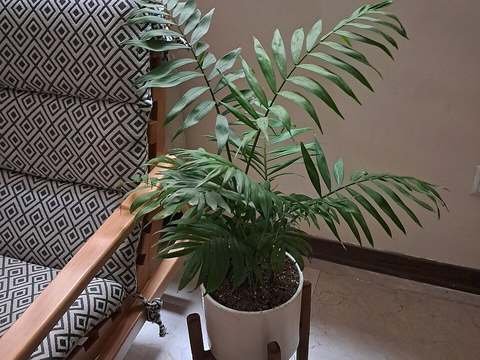
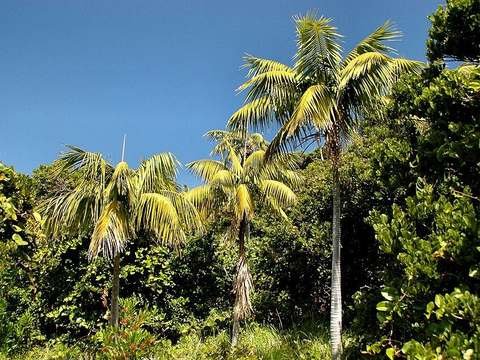
Howea forsteriana
Hardy to about 28F · USDA 9b+
The hotel lobby palm. Best indoor look if you can spend a little.
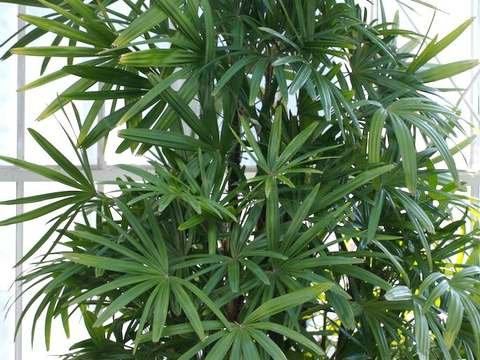
Rhapis excelsa
Hardy to about 22F · USDA 9a+
Shade indoor fan. Patio in a pot, then inside for freezes.
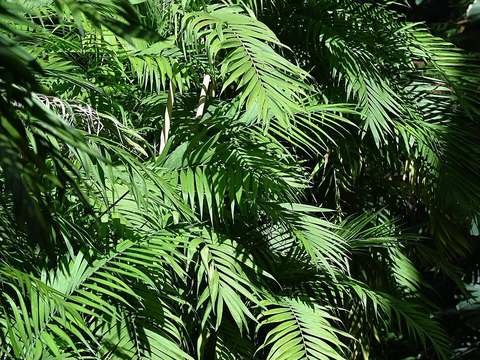
Chamaedorea seifrizii
Hardy to about 32F · USDA 10b+
Clustering indoor palm. Handles lower light than areca.
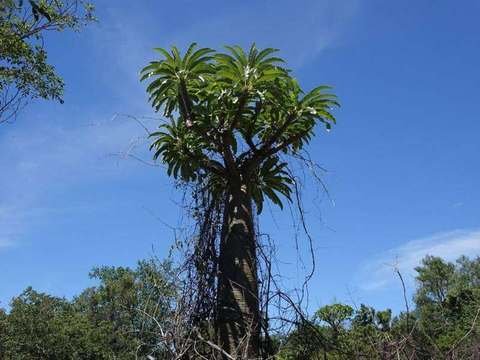
Pachypodium lamerei
Hardy to about 40F · USDA 10b+
A spiny succulent, not a palm. Indoor or summer patio only.
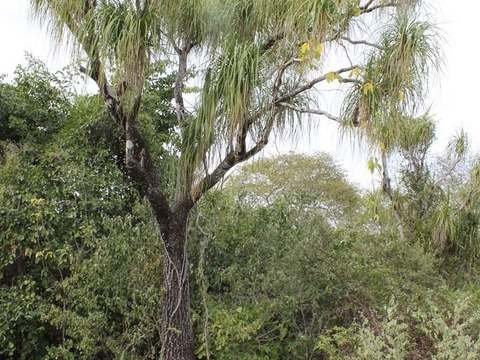
Beaucarnea recurvata
Hardy to about 25F · USDA 9b+
Not a palm. Fat base, dry soil, bright window.
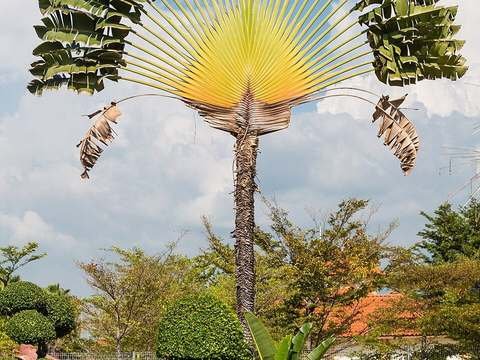
Ravenala madagascariensis
Hardy to about 32F · USDA 10a+
A banana relative with a fan of leaves. Not an outdoor plant in freeze country.
What actually limits palms here
- Long winters and sudden Arctic nights, even in towns that look green in July
- Short summers that never harden tropical growth
- Box-store coconut and majesty palms sold as outdoor trees
Alaska is not palm country the way Florida is. Needle palm and dwarf palmetto are the Southeast natives. Everywhere else, windmill is the usual import if the zone allows it.
Alaska palm questions
Can I grow a coconut palm in Alaska?
Not in the ground. Coconut wants nights that stay near 60F. Grow it in a pot and bring it in, or pick a hardy fan if you want something outside.
What actually lives outside in Alaska?
Needle palm, Dwarf palmetto, Windmill palm, European fan palm, Pindo palm, Cabbage palmetto, Saw palmetto, Sago palm, and 2 more live outside in the warmest part of Alaska. Pick a colder city and the list shrinks. Everything else stays in a pot.
When do I wrap palms in Alaska?
Wrap a young hardy palm when a night near its kill number is coming. Wrapping does not turn a tropical palm into an outdoor plant.