
Guides
Palm trees by state
Which palms can actually grow where you live, including colder states.
Choose a state or hardiness zone
Click a state for palms that can grow there.
Palm types
Click a state or a hardiness zone on the map.
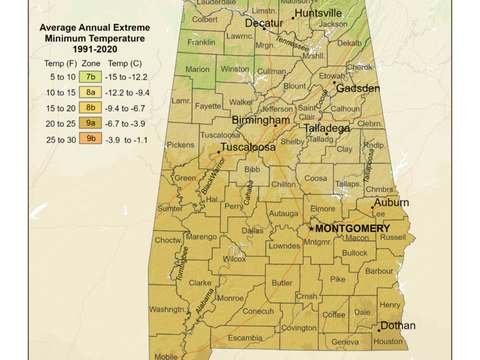
Growing Palm Trees in Alabama
Alabama is two palm climates in one state: USDA 7b around Huntsville (nights near 8F) and 9a on the Gulf around Mobile (nights near 22F). Winter low is the…
Read more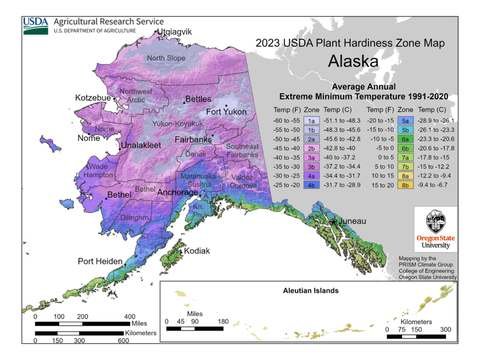
Growing Palm Trees in Alaska
Alaska is more than one palm climate, USDA 1a to 8b, about -60F on the cold end and 20F in Ketchikan. Fairbanks is a different winter, near -47F. Needle palm…
Read more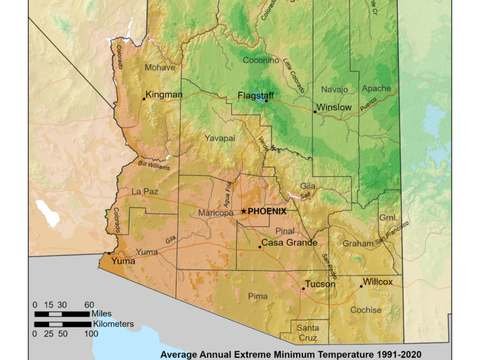
Growing Palm Trees in Arizona
Arizona is desert heat and mountain freeze in one map, USDA 5b to 10a. Yuma sits near 33F while Flagstaff still sees nights near -7F. Mexican fan, California…
Read more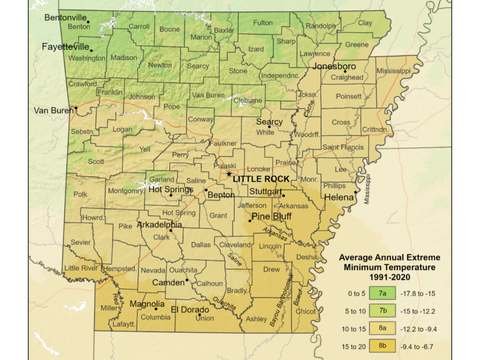
Growing Palm Trees in Arkansas
Arkansas runs USDA 7a to 8b, about 0F on the cold end and 20F on the warm end. Winter low is the number that matters, so a nursery tag from a mild coast does…
Read moreGrowing Palm Trees in California
California is desert, coast, and mountain freeze in one map, USDA 5b to 11a. San Diego coast sits near 43F while Lake Tahoe still sees nights near -7F.…
Read more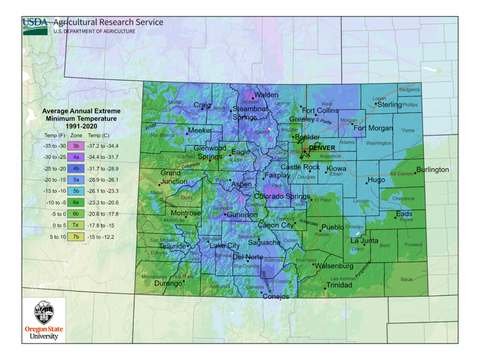
Growing Palm Trees in Colorado
Colorado runs USDA 4a to 7a, about -30F on the cold end and 5F on the warm end. Winter low is the number that matters, so a nursery tag from a mild coast does…
Read more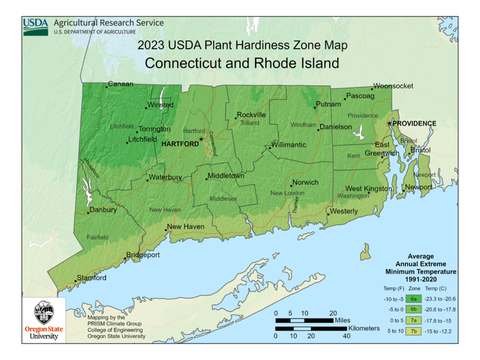
Growing Palm Trees in Connecticut
Connecticut runs USDA 6a to 7b, about -10F on the cold end and 10F on the warm end. Winter low is the number that matters, so a nursery tag from a mild coast…
Read more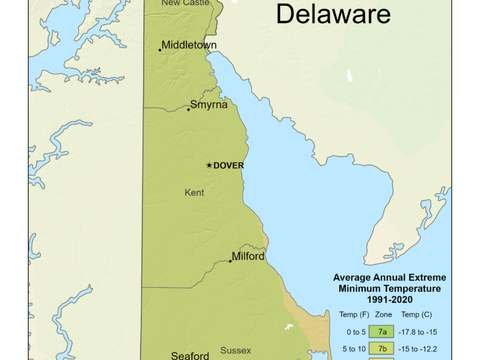
Growing Palm Trees in Delaware
Delaware runs USDA 7a to 8a, about 0F on the cold end and 15F on the warm end. Winter low is the number that matters, so a nursery tag from a mild coast does…
Read moreGrowing Palm Trees in Florida
Florida is the palm state, USDA 8b to 11b. Jacksonville still freezes, while Miami and the Keys usually do not. Coconut is a Keys and Miami plant, not a…
Read more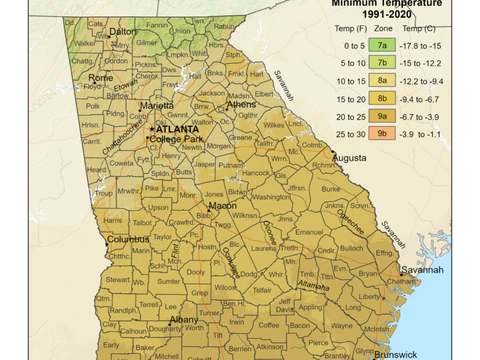
Growing Palm Trees in Georgia
Georgia runs USDA 7a to 9a, about 0F in the north Georgia hills and 25F around Valdosta. Winter low is the number that matters, so a Savannah nursery tag does…
Read moreGrowing Palm Trees in Hawaii
Hawaii is actual palm country, USDA 10b to 13a. Coconut, royal, and the tropical street palms live in the ground here. Upcountry and windward spots run cooler…
Read more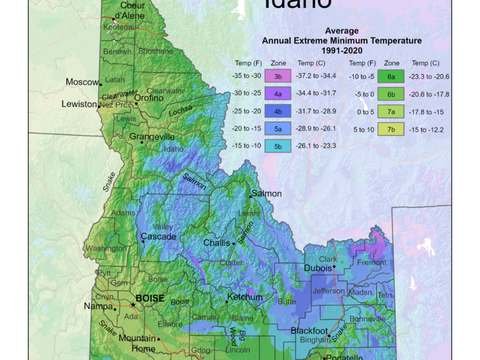
Growing Palm Trees in Idaho
Idaho is more than one palm climate, USDA 4a to 7b, about -30F on the cold end and 10F in Lewiston. Idaho Falls is a different winter, near -12F. Needle palm…
Read more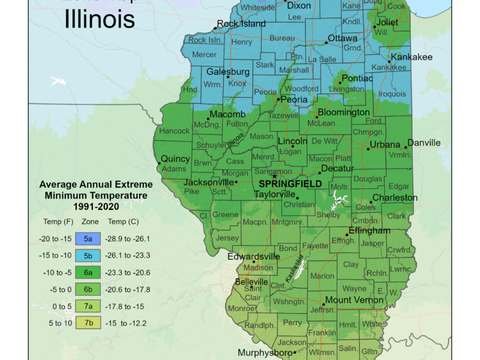
Growing Palm Trees in Illinois
Illinois runs USDA 5a to 7a, about -20F on the cold end and 5F on the warm end. Winter low is the number that matters, so a nursery tag from a mild coast does…
Read more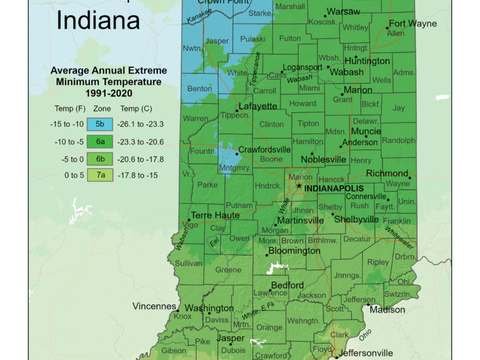
Growing Palm Trees in Indiana
Indiana runs USDA 5b to 7a, about -15F on the cold end and 5F on the warm end. Winter low is the number that matters, so a nursery tag from a mild coast does…
Read more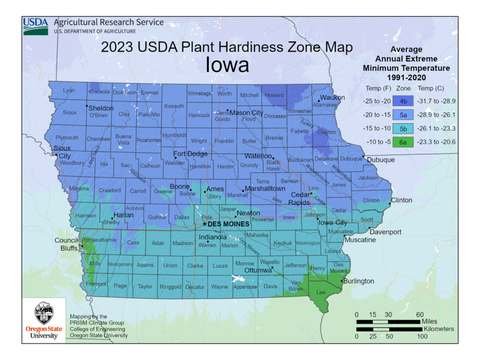
Growing Palm Trees in Iowa
Iowa is mostly too cold for palms in the ground, USDA 4b to 6a. Des Moines still sees nights near -12F, and nothing tropical lives outside. Pick a city below.…
Read more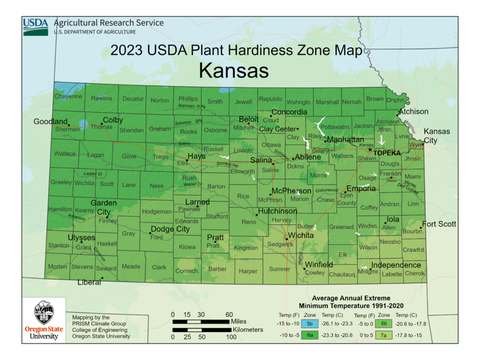
Growing Palm Trees in Kansas
Kansas runs USDA 6a to 7a, about -10F on the cold end and 5F on the warm end. Winter low is the number that matters, so a nursery tag from a mild coast does…
Read more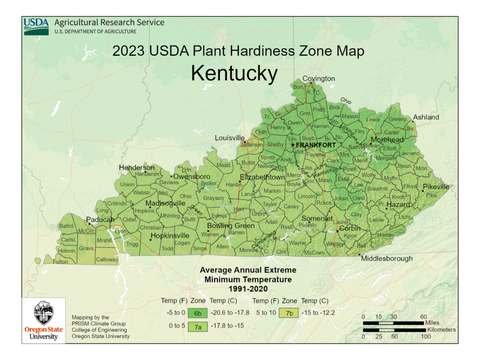
Growing Palm Trees in Kentucky
Kentucky runs USDA 6b to 7b, about -5F on the cold end and 10F on the warm end. Winter low is the number that matters, so a nursery tag from a mild coast does…
Read moreGrowing Palm Trees in Louisiana
Louisiana runs USDA 8b to 10a, about 15F in the northwest and 35F on the Gulf. New Orleans can grow real outdoor palms, while Shreveport still sees a freeze.…
Read moreGrowing Palm Trees in Maine
Maine is more than one palm climate, USDA 3b to 7a, about -35F on the cold end and 5F in York / Kittery. Bangor is a different winter, near -17F. Needle palm…
Read moreGrowing Palm Trees in Maryland
Maryland runs USDA 6a to 8a, about -10F on the cold end and 15F on the warm end. Winter low is the number that matters, so a nursery tag from a mild coast…
Read moreGrowing Palm Trees in Massachusetts
Massachusetts runs USDA 5b to 7b, about -15F on the cold end and 10F on the warm end. Winter low is the number that matters, so a nursery tag from a mild…
Read moreGrowing Palm Trees in Michigan
Michigan is more than one palm climate, USDA 4a to 7a, about -30F on the cold end and 5F in Benton Harbor. Marquette is a different winter, near -17F. Needle…
Read moreGrowing Palm Trees in Minnesota
Minnesota is mostly too cold for palms in the ground, USDA 3a to 5a. International Falls still sees nights near -37F, and nothing tropical lives outside. Pick…
Read moreGrowing Palm Trees in Mississippi
Mississippi runs USDA 7b to 9a, about 5F on the cold end and 25F on the warm end. Winter low is the number that matters, so a nursery tag from a mild coast…
Read more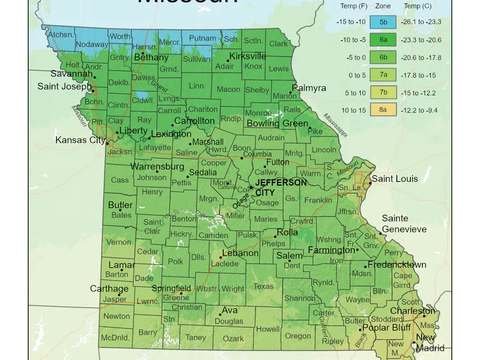
Growing Palm Trees in Missouri: Tips and Tricks for Success
Missouri runs USDA 5b to 8a, about -15F on the cold end and 15F on the warm end. Winter low is the number that matters, so a nursery tag from a mild coast…
Read moreGrowing Palm Trees in Montana
Montana is mostly too cold for palms in the ground, USDA 3b to 6b. Billings still sees nights near -12F, and nothing tropical lives outside. Pick a city…
Read more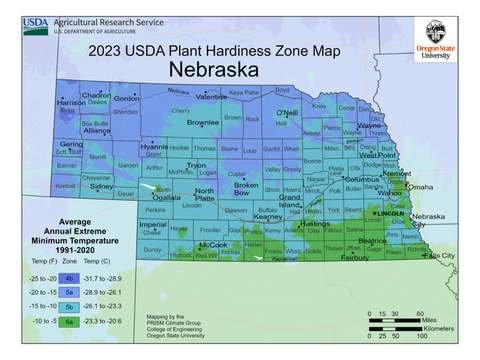
Growing Palm Trees in Nebraska
Nebraska is mostly too cold for palms in the ground, USDA 5a to 6a. Omaha still sees nights near -7F, and nothing tropical lives outside. Pick a city below.…
Read moreGrowing Palm Trees in Nevada
Nevada is low-desert heat and basin freeze in one map, USDA 5a to 10a. Laughlin sits near 33F while Elko still sees nights near -12F. Mexican fan and date…
Read moreGrowing Palm Trees in New Hampshire
New Hampshire is mostly too cold for palms in the ground, USDA 4a to 6b. Berlin still sees nights near -22F, and nothing tropical lives outside. Pick a city…
Read moreGrowing Palm Trees in New Jersey
New Jersey runs USDA 6b to 8a, about -5F on the cold end and 15F on the warm end. Winter low is the number that matters, so a nursery tag from a mild coast…
Read moreGrowing Palm Trees in New Mexico
New Mexico is more than one palm climate, USDA 5a to 8b, about -20F on the cold end and 20F in Carlsbad. Santa Fe is a different winter, near -2F. Needle palm…
Read moreGrowing Palm Trees in New York
New York is more than one palm climate, USDA 4a to 7b, about -30F on the cold end and 10F in New York City. Plattsburgh is a different winter, near -22F.…
Read moreGrowing Palm Trees in North Carolina
North Carolina is more than one palm climate, USDA 6b to 9a, about -5F on the cold end and 25F in Southport. Asheville is a different winter, near 3F. Needle…
Read moreGrowing Palm Trees in North Dakota
North Dakota is mostly too cold for palms in the ground, USDA 3b to 4b. Fargo still sees nights near -27F, and nothing tropical lives outside. Pick a city…
Read moreGrowing Palm Trees in Ohio
Ohio runs USDA 6a to 7a, about -10F on the cold end and 5F on the warm end. Winter low is the number that matters, so a nursery tag from a mild coast does not…
Read moreGrowing Palm Trees in Oklahoma
Oklahoma runs USDA 6b to 8a, about -5F on the cold end and 15F on the warm end. Winter low is the number that matters, so a nursery tag from a mild coast does…
Read moreGrowing Palm Trees in Oregon
Oregon is more than one palm climate, USDA 5b to 9b, about -15F on the cold end and 30F in Brookings. Bend is a different winter, near -7F. Needle palm and…
Read more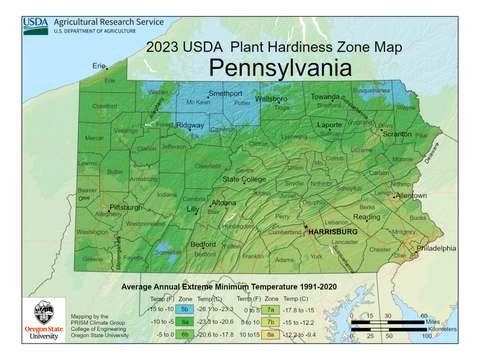
Growing Palm Trees in Pennsylvania
Pennsylvania runs USDA 5b to 8a, about -15F on the cold end and 15F on the warm end. Winter low is the number that matters, so a nursery tag from a mild coast…
Read moreGrowing Palm Trees in Rhode Island
Rhode Island runs USDA 6b to 7b, about -5F on the cold end and 10F on the warm end. Winter low is the number that matters, so a nursery tag from a mild coast…
Read moreGrowing Palm Trees in South Carolina
South Carolina runs USDA 8a to 9b, about 10F on the cold end and 30F on the warm end. Winter low is the number that matters, so a nursery tag from a mild…
Read moreGrowing Palm Trees in South Dakota
South Dakota is mostly too cold for palms in the ground, USDA 4a to 5b. Sioux Falls still sees nights near -17F, and nothing tropical lives outside. Pick a…
Read moreGrowing Palm Trees in Tennessee
Tennessee runs USDA 6b to 8a, about -5F on the cold end and 15F on the warm end. Winter low is the number that matters, so a nursery tag from a mild coast…
Read moreGrowing Palm Trees in Texas
Texas is more than one palm climate, USDA 6b to 10b. Brownsville sits near 38F while Amarillo still sees nights near 3F. Mexican fan and date work in the…
Read moreGrowing Palm Trees in Utah
Utah is more than one palm climate, USDA 4a to 8b, about -30F on the cold end and 20F in St George. Logan is a different winter, near -7F. Needle palm and…
Read moreGrowing Palm Trees in Vermont
Vermont is mostly too cold for palms in the ground, USDA 4a to 6a. Burlington still sees nights near -12F, and nothing tropical lives outside. Pick a city…
Read moreGrowing Palm Trees in Virginia
Virginia runs USDA 6a to 8b, about -10F on the cold end and 20F on the warm end. Winter low is the number that matters, so a nursery tag from a mild coast…
Read moreGrowing Palm Trees in Washington, D.C.
Washington DC is a small USDA 7b to 8a pocket, about 5F to 15F. Winter low is the number that matters, so a Virginia Beach tag does not travel up the Mall.…
Read moreGrowing Palm Trees in West Virginia
West Virginia runs USDA 5b to 7a, about -15F on the cold end and 5F on the warm end. Winter low is the number that matters, so a nursery tag from a mild coast…
Read moreGrowing Palm Trees in Wisconsin
Wisconsin is mostly too cold for palms in the ground, USDA 3b to 6a. Madison still sees nights near -17F, and nothing tropical lives outside. Pick a city…
Read moreGrowing Palm Trees in Wyoming
Wyoming is mostly too cold for palms in the ground, USDA 4a to 5b. Jackson still sees nights near -22F, and nothing tropical lives outside. Pick a city below.…
Read more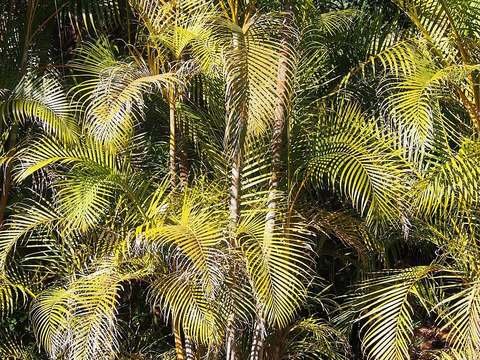
Areca palm cold hardiness
Agnieszka Kwiecień, Nova The areca palm is the clumping, yellow-stemmed palm in so many bright living rooms. Outdoors it is a frost-free landscape plant from…
Read more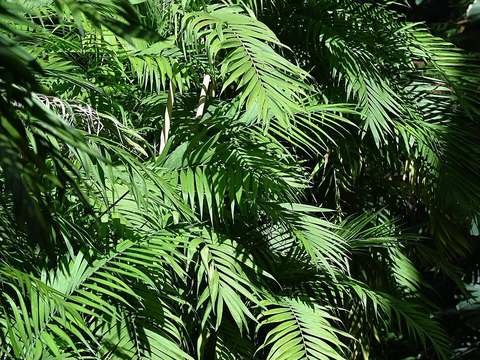
Bamboo palm cold hardiness
Krzysztof Ziarnek, Kenraiz The bamboo palm is a clustering Chamaedorea with thin green canes, sold as an indoor screen. Native from southeastern Mexico to…
Read more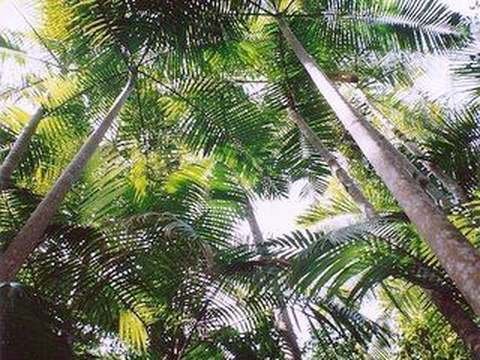
Bangalow palm cold hardiness
Poyt448 Peter Woodard The bangalow palm is the eastern Australian Archontophoenix that California and mild coasts actually keep. USDA 9b to 11. Nurseries say…
Read more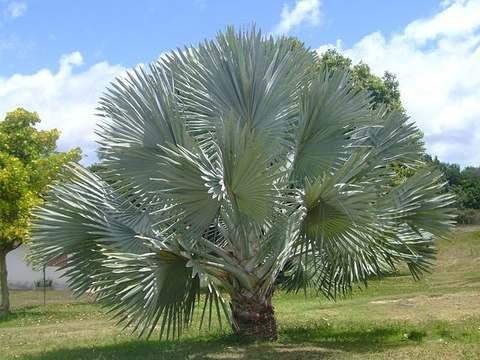
Bismarck palm cold hardiness
The Bismarck palm is characterized by massive silvery-blue fronds. This palm is an imposing statement plant perfect for frost-free tropical landscapes. This…
Read more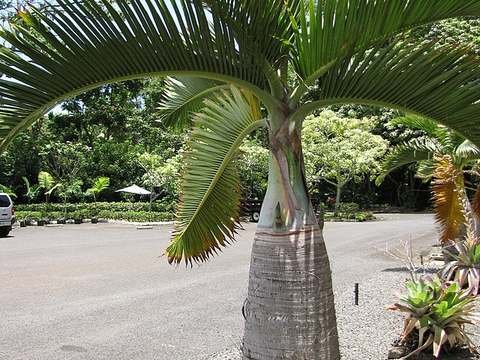
Bottle palm cold hardiness
The bottle palm tree (Hyophorbe lagenicaulis) resembles a rounded bottle in appearance. This palm is an intriguing, slow-growing palm perfect for accenting…
Read more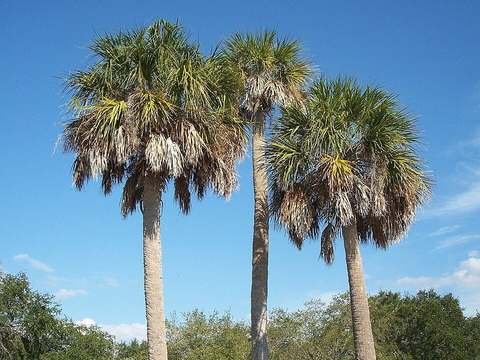
Cabbage palmetto cold hardiness
Mmcknight4 Cabbage palmetto is the native street palm of the southeastern coastal plain, not an import trying to look like Miami. USDA 8a to 11. It takes…
Read more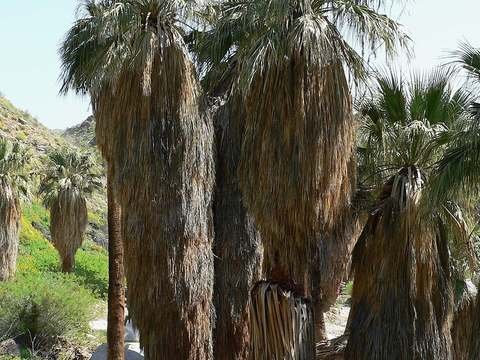
California fan palm cold hardiness
Stan Shebs The California fan palm is the stout oasis palm of the western deserts, and the only palm native to the western United States. USDA 8b to 11. It is…
Read more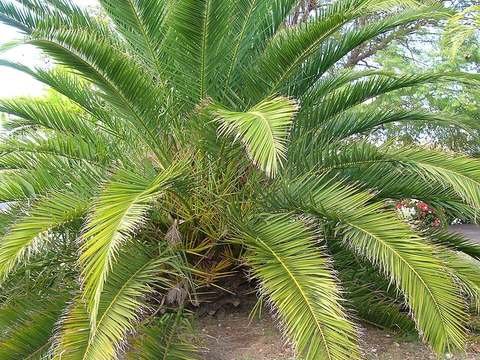
Canary Island date palm cold hardiness
Forest & Kim Starr The Canary Island date palm is the massive, diamond-cut landscape date, not the orchard date. Native to the Canary Islands. USDA 9a to 11.…
Read more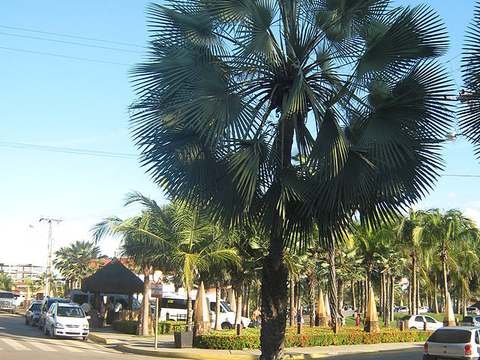
Caranday wax palm cold hardiness
The Caranday palm is a rare palm not well studied or cultivated. It’s characterized by bulbous foliage composed of wide spreading palm leaves. The Caranday…
Read more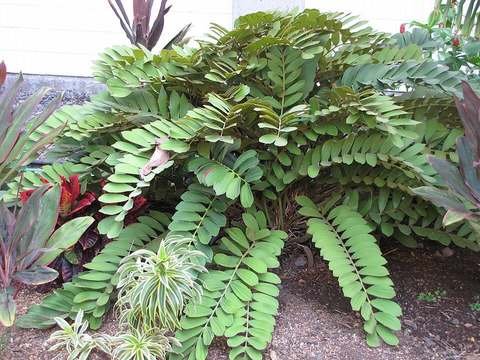
Cardboard palm cold hardiness
Krzysztof Ziarnek, Kenraiz The cardboard palm is a Mexican cycad with stiff, felty leaflets, sold as a palm and as a small sago cousin. It is Zamia…
Read more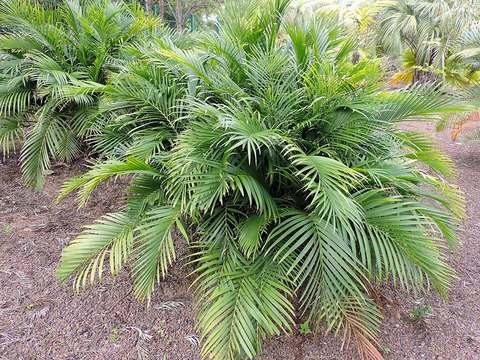
Cat palm cold hardiness
KATHERINE WAGNER-REISS The cat palm is a dense, nearly trunkless Chamaedorea from southern Mexico, sold as an indoor clump. The name is from cataractarum,…
Read more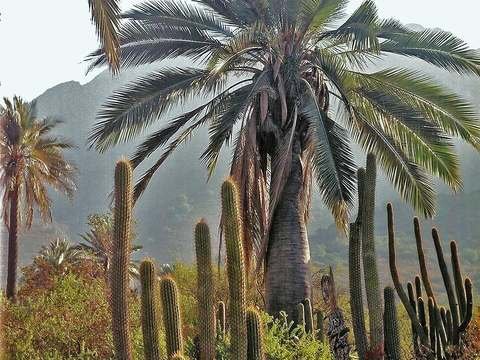
Chilean wine palm cold hardiness
Jorge Leon Cabello The Chilean wine palm is the massive feather palm people plant when they want a coconut silhouette in a real winter. It is Jubaea…
Read more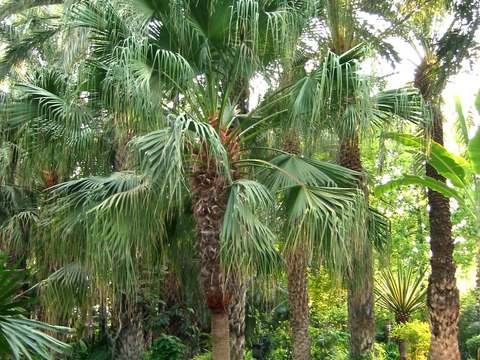
Chinese fan palm cold hardiness
Cookie The Chinese fan palm is the fountain-shaped Livistona, not the hairy windmill palm that shares a nickname. Native from southern Japan to Guangdong.…
Read more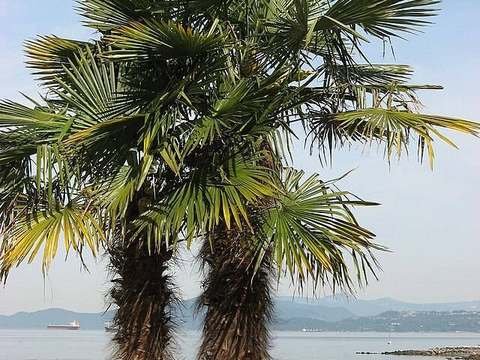
Chinese windmill palm cold hardiness
The Chinese Windmill palm is known for its resilience, cold hardiness and fan-like spreading leaves. Originating from China and Japan, this palm species…
Read more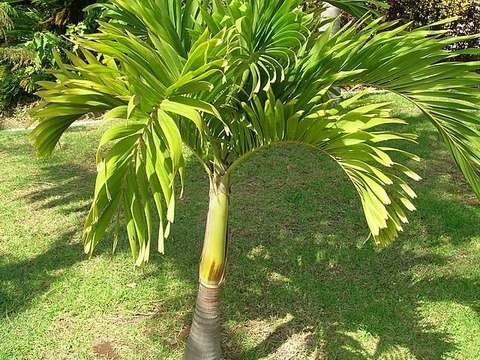
Christmas palm cold hardiness
The Christmas palm, scientifically known as Veitchia merrillii, is celebrated for its red fruits and festive appearance. This palm originates from the…
Read more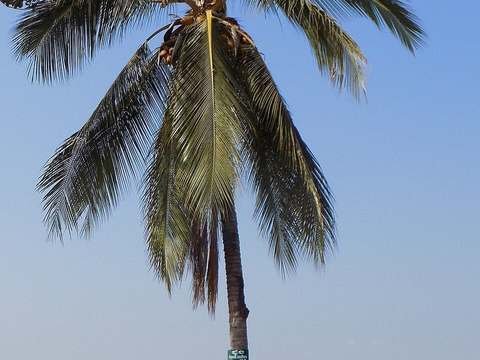
Coconut palm cold hardiness
Pamputt The coconut palm is the tropical beach tree people mean when they say palm. It wants real heat, handles salt, and dies in a freeze. Think USDA 10b to…
Read more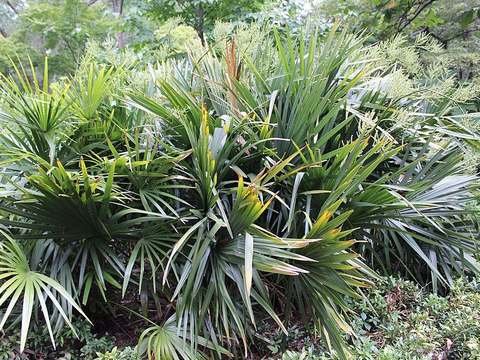
Dwarf palmetto cold hardiness
Krzysztof Ziarnek, Kenraiz Dwarf palmetto is the low, mostly trunkless native fan of the southeastern and south-central United States. USDA 7a to 11. If…
Read more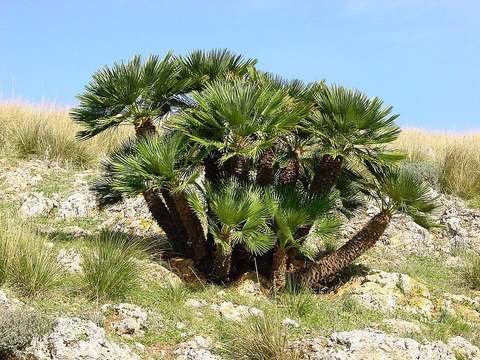
European fan palm cold hardiness
tato grasso The European fan palm is the clumping Mediterranean fan, and the only palm native to mainland Europe. USDA 8a to 11. If your winter kills a queen…
Read more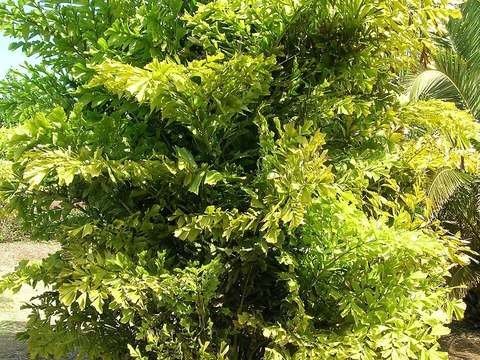
Fishtail palm cold hardiness
Prenn The fishtail palm in shops is usually Caryota mitis, a clustering palm with jagged, fish-tail leaflets. USDA 10a to 12 outdoors. Indoors it wants a…
Read more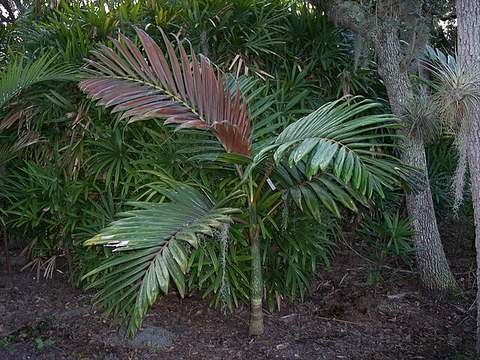
Flame thrower palm cold hardiness
The Flame Thrower palm is known for its bright red palm frond sticking up above its other green leaves. This palm is prized for its vibrant red leaves and…
Read more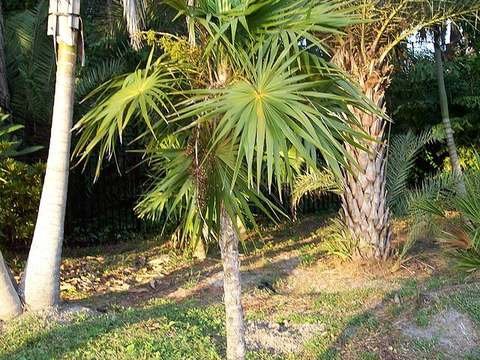
Florida thatch palm cold hardiness
Mmcknight4 Florida thatch palm is Thrinax radiata, a native slim fan of the Keys, south Florida coasts, and the Caribbean. USDA 10a to 11. It is not cabbage…
Read more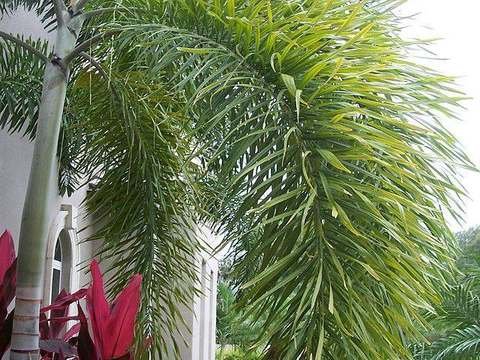
Foxtail palm cold hardiness
The foxtail palm, also known as Wodyetia bifurcata, is one of the most sought after palm trees for its beautiful and exotic leaves. The foxtail palm is…
Read more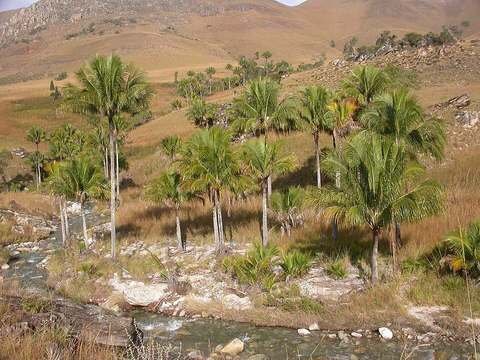
High plateau coconut palm cold hardiness
Mijoro Rakotoarinivo The high plateau coconut palm is the Madagascar highland tree people buy when they want a coconut look north of coconut country. It is…
Read more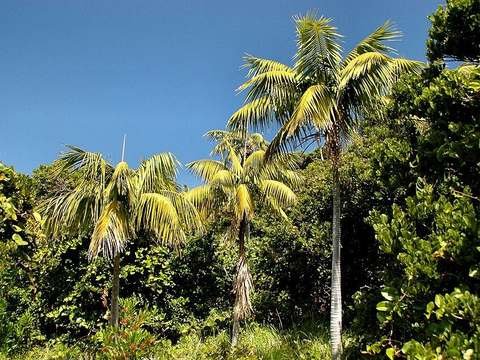
Kentia palm cold hardiness
Black Diamond Images The kentia palm is the slow, elegant feather palm from Lord Howe Island and the default lobby plant for a reason. It takes lower light…
Read more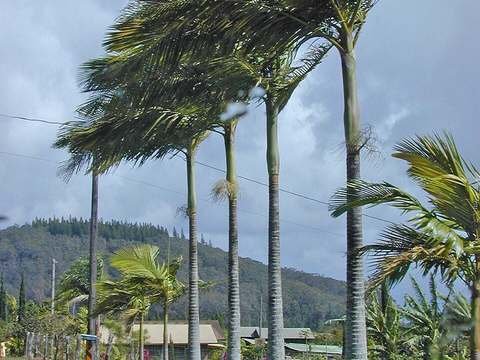
King palm cold hardiness
Forest & Kim Starr The king palm is the fast, smooth Australian feather palm with a green crownshaft, sold for tropical streets that still are not quite…
Read more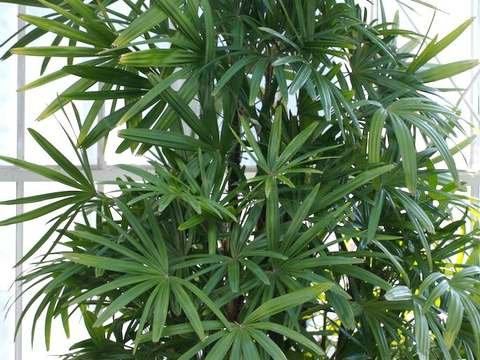
Lady palm cold hardiness
Eric in SF The lady palm is a clustering fan palm on thin, fibrous canes, used as a courtyard hedge and a durable indoor screen. Native from southern China to…
Read more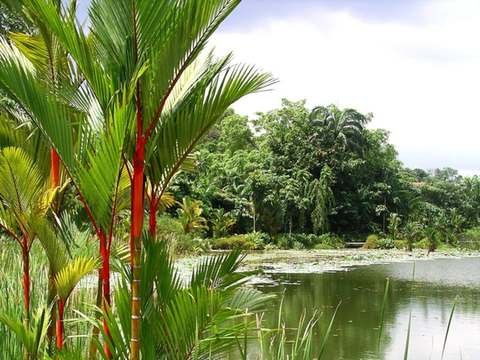
Lipstick palm cold hardiness
Dive into the world of the Lipstick Palm Tree, a tropical standout known for its vivid red stems and lush green foliage. Thriving in USDA hardiness zones 10…
Read more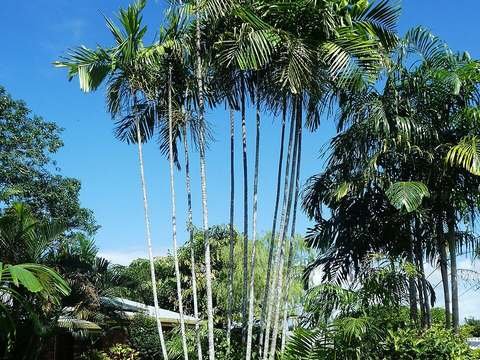
Macarthur palm cold hardiness
DouglasGoldman The Macarthur palm is a clustering Ptychosperma sold for tropical streets and bright atriums. USDA 10a to 12. Kew's accepted name is…
Read more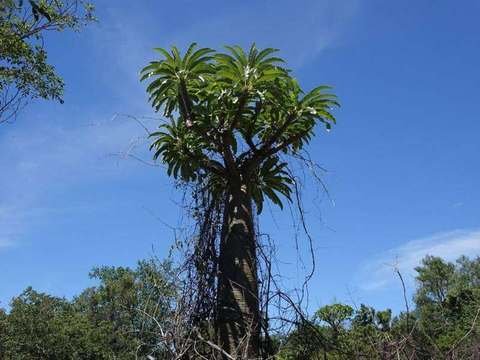
Madagascar palm cold hardiness
Romer Rabarijaona Madagascar palm is the spiny, bottle-trunk plant on the houseplant bench with a palm-like tuft on top. It is not a palm. It is a succulent…
Read more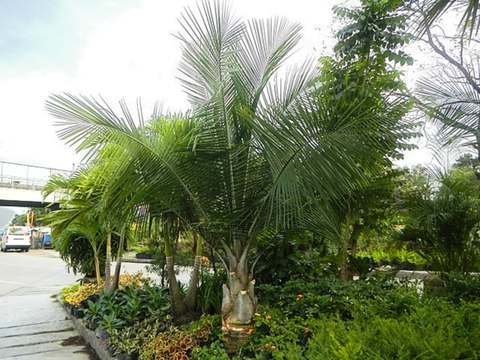
Majesty palm cold hardiness
The Majesty Palm is a tropical, moisture-loving, palm variety. This palm is celebrated for its tropical beauty and indoor planting versatility. The Majesty…
Read more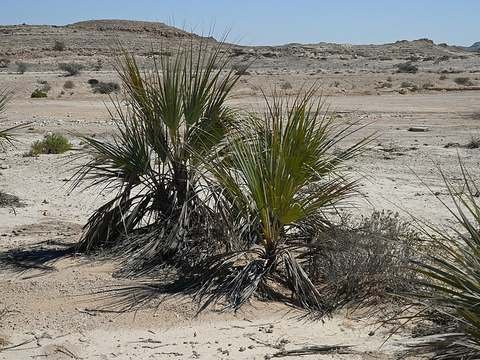
Mazari palm cold hardiness
Krzysztof Ziarnek, Kenraiz The Mazari palm is the branching desert fan people plant when they want a hardy palm in dry cold. It is Nannorrhops ritchieana.…
Read more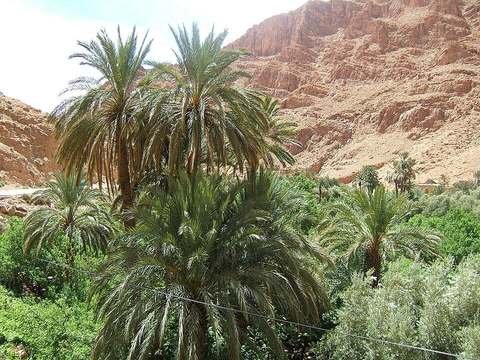
Medjool date palm cold hardiness
MPF The date palm is the oasis tree of hot, dry summers and the source of the fruit in the bag. It is tougher in cold than a coconut, and much hungrier for…
Read more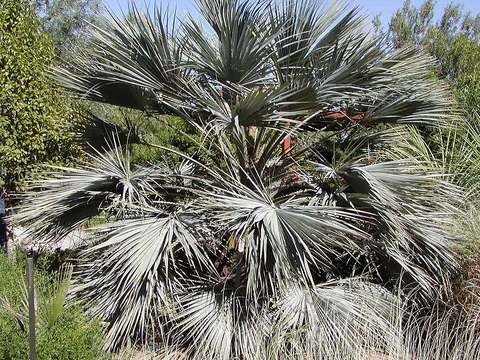
Mexican blue palm cold hardiness
Wikimedia Commons The Mexican blue palm is the silver-blue Baja fan for dry southwestern gardens. USDA 8b to 11. It is slow, drought-tough, and not a…
Read more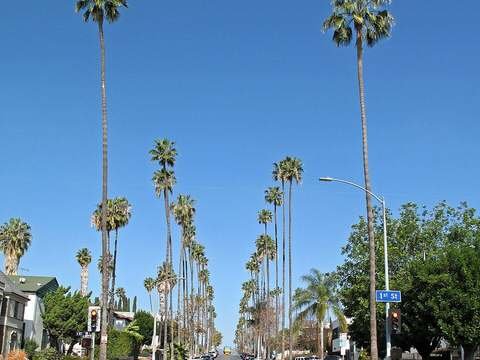
Mexican fan palm cold hardiness
Downtowngal The Mexican fan palm is the tall, skinny skyduster along so many southern streets. Native to Baja California. USDA 9a to 11. It takes more drought…
Read more
Needle palm cold hardiness
If you’re looking for a classic palm look for a colder climate, the Needle Palm is an excellent choice. Known for its remarkable cold hardiness and lush…
Read more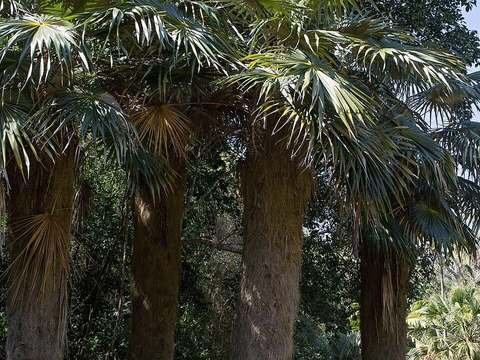
Old man palm cold hardiness
Christian Pirkl The old man palm is Coccothrinax crinita, a Cuban thatch palm whose trunk wears a long pale beard of fiber. USDA 10a to 11. It is slow. You…
Read more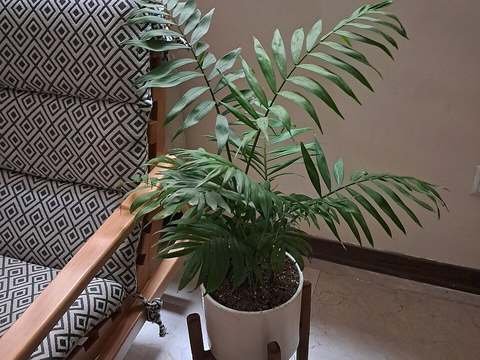
Parlor palm cold hardiness
ImanFakhri The parlor palm is the small, Victorian indoor palm that still works in apartments. Native from Mexico to Honduras. Outdoors it wants USDA 10b to…
Read more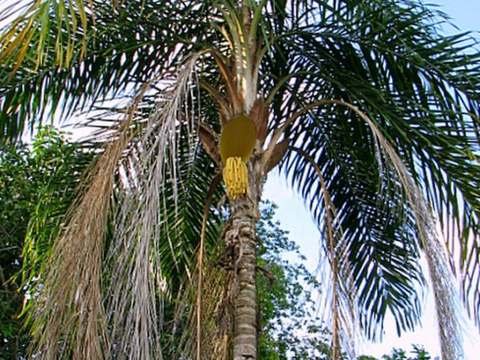
Peach palm cold hardiness
Image taken by Alex Popovkin The Peach Palm (Bactris gasipaes) is known for its edible fruits and multipurpose landscaping use. It’s a versatile tropical…
Read more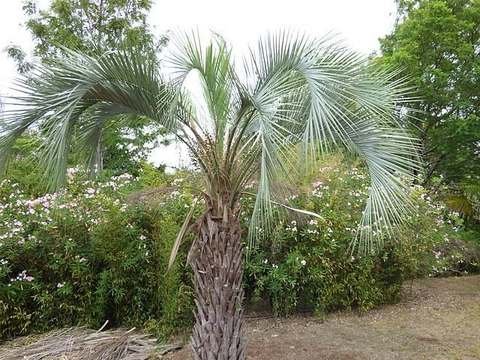
Pindo palm cold hardiness
Taken by: Forest & Kim Starr The Pindo palm is known for its tropical look, cold hardiness and tasty fruit. Originally coming from South America, This palm…
Read more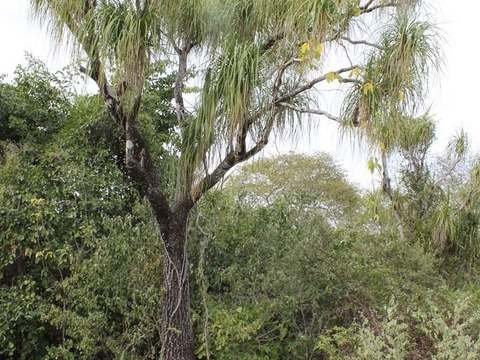
Ponytail palm cold hardiness
juancruzado The ponytail palm is a swollen-foot succulent from eastern Mexico, sold as a palm because of the tuft of grassy leaves. It is Beaucarnea…
Read more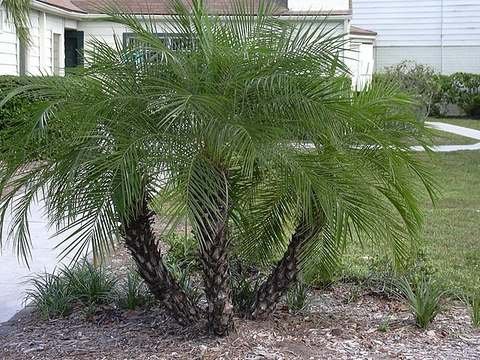
Pygmy date palm cold hardiness
Image taken by Forest & Kim Starr Phoenix roebelenii is a popular and charming miniature palm known for its elegant appearance and versatility in landscaping.…
Read more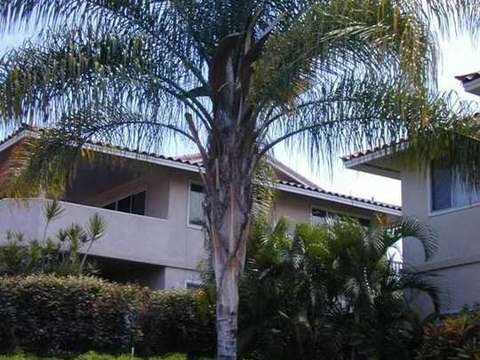
Queen palm cold hardiness
Forest & Kim Starr, Maui The queen palm is the fast, feathery street tree of warm southern neighborhoods. Native to Brazil, Paraguay, Uruguay, and…
Read more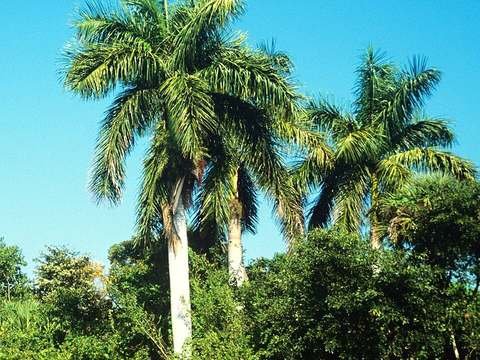
Royal palm cold hardiness
Wikimedia Commons The royal palm is the smooth, cement-gray boulevard tree of south Florida and the Caribbean. Native in parts of Florida, Mexico, Central…
Read more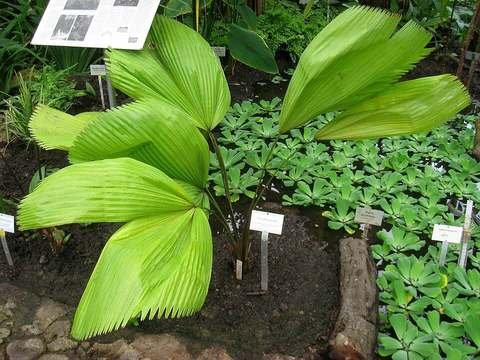
Ruffled fan palm cold hardiness
Daderot The ruffled fan palm is Licuala grandis, a shade palm from Vanuatu with almost circular, pleated leaves. USDA 10b to 12. Indoors it wants humidity and…
Read more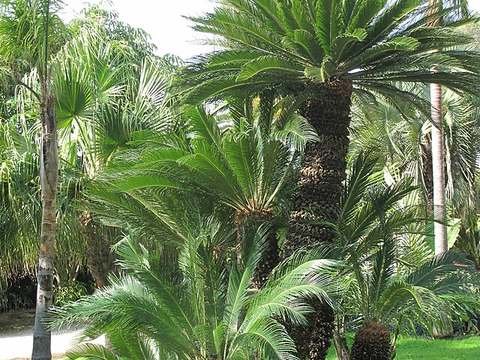
Sago palm cold hardiness
The cold hardy palm that’s not a real palm, Sago Palms make eye-catching accent plants indoors and out. Learn everything you need to know to keep your Cycas…
Read more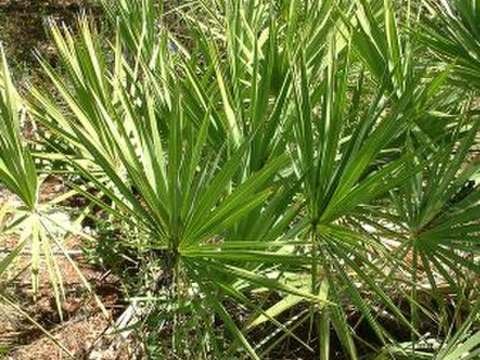
Saw palmetto cold hardiness
The Saw Palmetto is a cold hardy, drought resistant, low to the ground palm variety. This palm is known for its drought tolerance, cold hardiness, and…
Read more
Senegal date palm cold hardiness
Roger Culos The Senegal date palm is the clustering African Phoenix, with trunks that lean. USDA 9b to 12. It makes a grove, not a single Medjool. Spines are…
Read more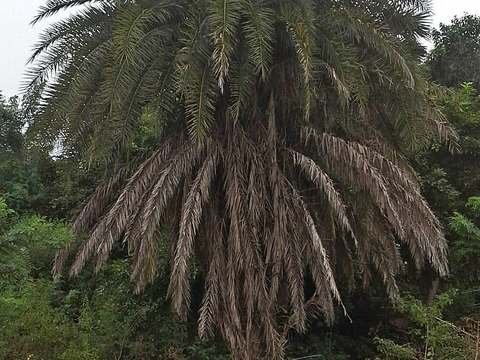
Silver date palm cold hardiness
AntanO The silver date palm is the wild Indian Phoenix, not the Medjool orchard date. USDA 9a to 11. Florida and similar heat plant it as a street Phoenix…
Read more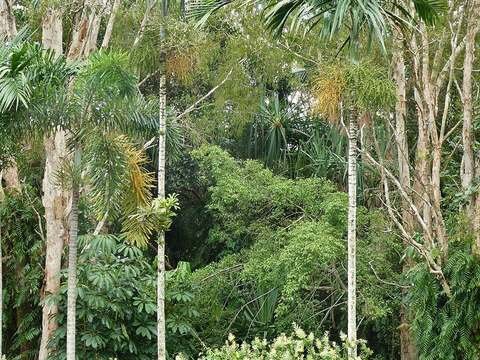
Solitaire palm cold hardiness
Forest & Kim Starr The solitaire palm is Ptychosperma elegans, a single-trunk Queensland palm for frost-free streets and bright courtyards. USDA 10a to 12. It…
Read more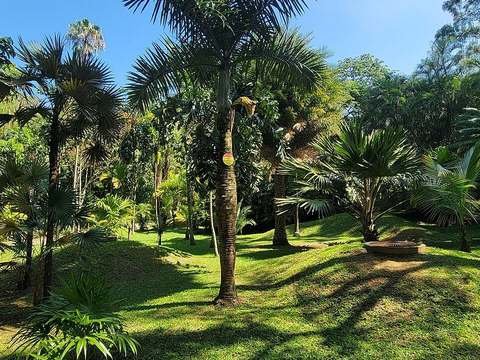
Spindle palm cold hardiness
Photograph by Mike Peel (www.mikepeel.net). The spindle palm is Hyophorbe verschaffeltii from Rodrigues, a swollen-middle cousin of the bottle palm. USDA 10b…
Read more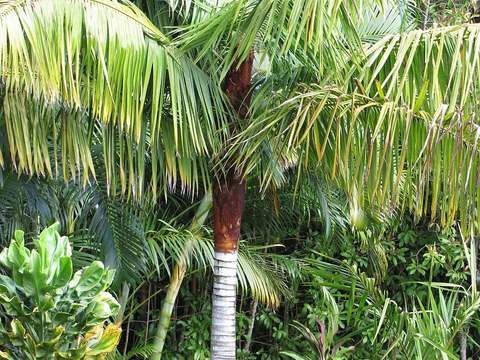
Teddy bear palm cold hardiness
Palm Tree Planet The teddy bear palm is the Madagascar feather palm with a rusty, fuzzy crownshaft. USDA 10a to 12. Kew's accepted name is Chrysalidocarpus…
Read more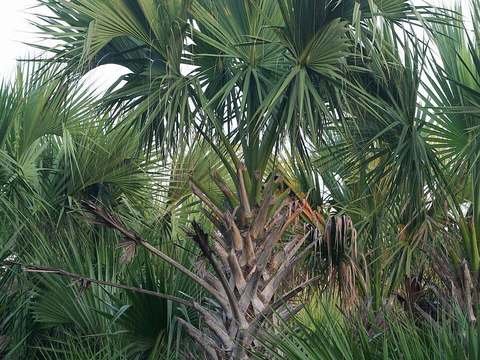
Texas palmetto cold hardiness
Whitney Cranshaw, Colorado State University, United States Texas palmetto is the native tree sabal of the Rio Grande country and south into Mexico and Central…
Read more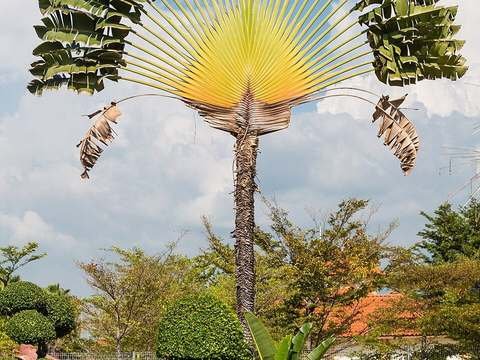
Traveler's palm cold hardiness
H. Zell The traveler's palm is a Madagascar plant with banana-like leaves in a flat fan, sold as a palm because of the name. It is Ravenala madagascariensis,…
Read more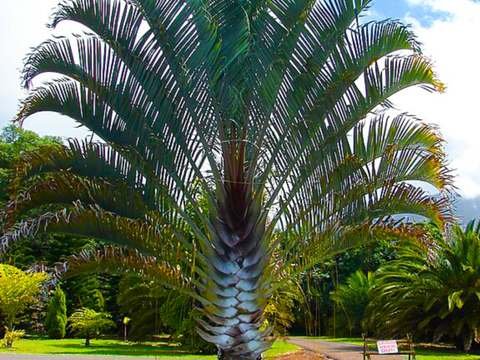
Triangle palm cold hardiness
Image: Forest & Kim Starr – Wikimedia Commons The triangle palm (Dypsis decaryi) truly lives up to its name and stands out in any tropical landscape. Native…
Read more